





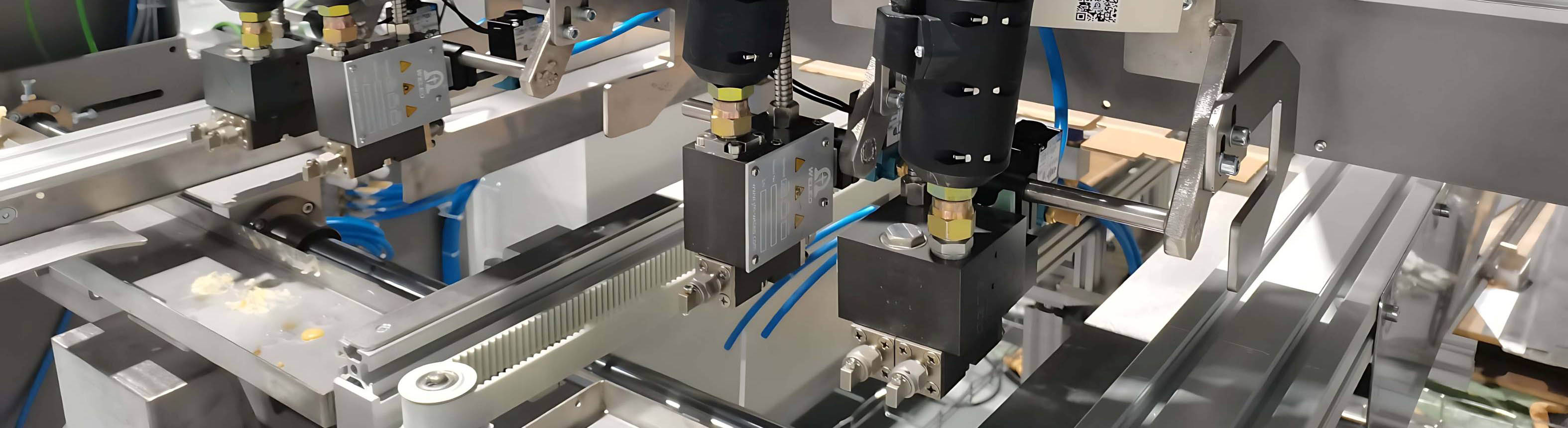
Improving manufacturing efficiency requires more than increasing machine speed. Adhesive application is often a small but critical part of production, and unstable bonding processes can affect product quality, material usage, and overall output. A Hot Melt Adhesive System improves production by creating a controlled process for adhesive melting, transferring, and dispensing.
-
2026-09-25
-
2026-09-24Factory sourcing decisions often influence production stability, equipment maintenance costs, and long-term operational efficiency. When manufacturers purchase adhesive systems, choosing a direct source can provide better communication about technical requirements, customization possibilities, and production conditions.
-
2026-09-24Ordering Hot Melt Equipment requires careful evaluation because adhesive systems directly affect production quality, operating efficiency, and maintenance costs. Before purchasing, manufacturers need to understand not only the machine specifications but also how the equipment will perform in real working conditions.
-
2026-09-24Selecting suitable Glue Dispensing Equipment is a critical step when upgrading or building a production line that depends on stable adhesive application. The right equipment does not only deliver glue from one point to another. It needs to work together with production speed, adhesive characteristics, product structure, and automation requirements to maintain consistent bonding performance.
-
2026-09-23Hot melt glue machines are widely used in manufacturing because they provide fast bonding, accurate adhesive application, and reliable production performance. A Hot Melt Glue Machine transforms solid adhesive into a liquid form through controlled heating, then delivers it through pumps, hoses, and application devices to complete different bonding tasks.
-
2026-09-23Selecting the right Hot Melt Adhesive Melter is an important decision for manufacturers that depend on stable adhesive performance and continuous production. The melter is the central part of a hot melt system because it determines how quickly adhesive reaches the required temperature, how consistently it maintains viscosity, and how reliably the production line can operate.
-
2026-09-23Production efficiency, bonding consistency, and material control have become important factors in manufacturing operations. Many factories choose Hot Melt Adhesive System solutions because they provide fast bonding performance, clean application methods, and stable production results compared with traditional adhesive processes.
-
2026-09-23A Hot Melt Glue Machine plays an important role in modern manufacturing processes where fast bonding, stable application, and continuous production are required. Unlike traditional adhesive methods that rely on long drying times, hot melt systems use heat to melt solid adhesive materials and deliver them in a controlled liquid state.
-
2026-08-28An integrated system connects adhesive supply, melting or conditioning, pumping, filtration, dosing, application, line control, alarms, and maintenance information into one coordinated production process. Integration defines how these functions exchange material, signals, readiness status, and fault responses.
-
2026-08-28A customizable solution adapts adhesive feeding, conditioning, pumping, dosing, application, control, and installation to a defined production task. Customization may change capacity, number of channels, connectors, mounting, software, heating zones, patterns, or communication interfaces while retaining proven system functions.
-
2026-08-27Nonwoven bonding requires controlled adhesive coverage without blocking softness, breathability, elasticity, or liquid-management performance. Equipment selection should reflect substrate weight, web speed, stretch direction, bond location, target coat weight, adhesive viscosity, and the finished product's required feel and strength.
-
2026-08-27An efficient adhesive system delivers the required glue quantity and production output while limiting unnecessary heating, compressed-air use, motor load, hot holding time, and material waste. Energy performance depends on system sizing, insulation, standby control, operating schedule, and maintenance condition.