





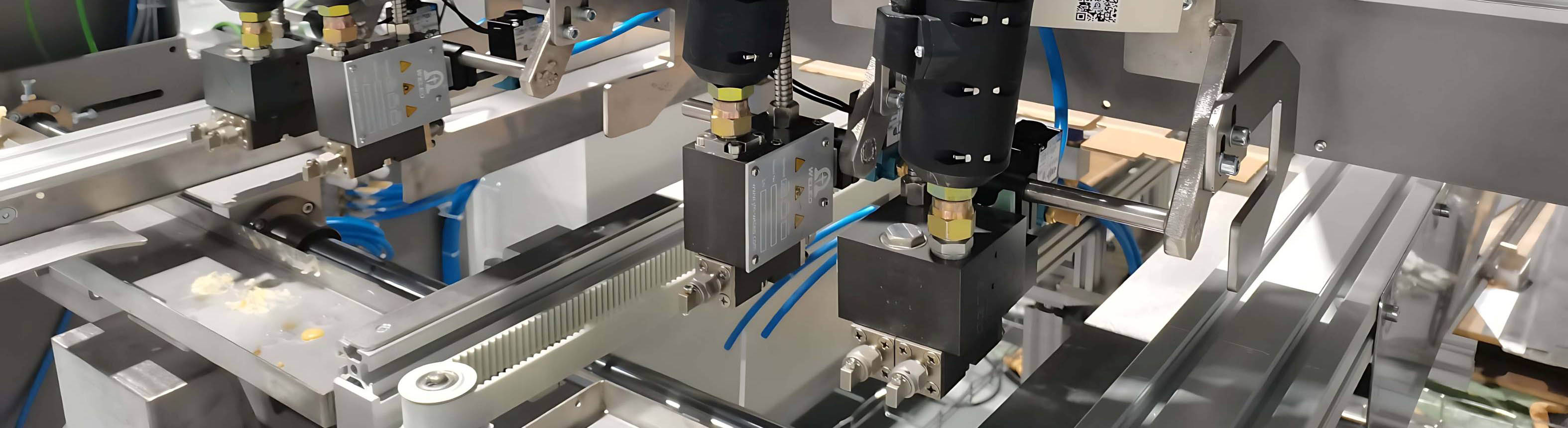
What Is A Continuous Adhesive Supply System?
A continuous supply system keeps adhesive available to the application points throughout normal production without frequent manual interruption. It coordinates material storage, feeding, melting or conditioning, pumping, level monitoring, delivery, and replenishment so output remains stable during long shifts and changing line demand.
Table of Contents
The Process Begins Before the Pump
Adhesive availability starts at the storage or loading stage. Pellets, blocks, cartridges, pails, drums, and liquid glue each need an appropriate feeding method. The supply format affects operator handling, contamination risk, refill frequency, and the amount of material exposed to air.
For hot melt, solid adhesive must enter the melter at a rate that supports consumption without repeatedly cooling the tank. Reactive PUR needs enclosed handling to limit moisture. Cold glue may require sealed storage, filtration, or agitation before pumping.
Level Control Protects Continuity
Low-level sensors warn the controller before the supply becomes unstable. Automatic feeding can refill a tank or request a container change before the pump draws air. Alarm thresholds should provide enough response time for the real consumption rate.
Sensor placement should reflect usable adhesive volume rather than tank dimensions alone. Material bridging, foam, contamination, or adhesive buildup can create incorrect readings if the sensing method does not match the material.
Capacity Must Match Peak Demand
An industrial glue feeding system should replenish material faster than peak consumption while leaving practical reserve capacity. Excessive tank volume is not always helpful because adhesive may remain heated too long and form char or lose working properties.
Melting and feeding capacity should be checked during maximum line speed, simultaneous gun operation, and material refilling. Stable idle performance does not confirm that the supply path can support continuous production.
Coordinate Feeding With Melting and Delivery
Automatic feeding cannot correct insufficient melt rate. The melter must prepare incoming adhesive quickly enough to maintain temperature and viscosity. Pump output, hose capacity, filtration, and applicator demand must then remain within the same operating range.
The adhesive supply system process should use interlocks. Pump operation may be limited when temperature is not ready, the tank level is too low, a feeder has faulted, or a replacement container is not sealed correctly.
Reliable glue supply automation should also coordinate refill timing with production demand. Introducing too much solid adhesive during a high-output period can temporarily reduce temperature and increase viscosity.
Monitor More Than Material Level
Useful operating records include consumption, refill frequency, tank temperature, pump pressure, feeder cycles, filter condition, and low-level alarms. Comparing these values with production output can reveal abnormal glue use or delayed replenishment.
| Operating condition | Control response |
|---|---|
| Level approaches minimum | Start feeder or request refill |
| Feeder does not respond | Alarm and controlled production stop |
| Temperature falls after refill | Limit delivery until recovery |
| Pump inlet becomes unstable | Stop pump and inspect supply path |
| Material reaches maximum level | Stop feeding and confirm sensor state |
| Adhesive grade changes | Run approved changeover procedure |
Configure the Supply Path Around Production
A continuous glue feeding system should reduce manual loading without creating excessive residence time or difficult cleaning. WELEO reviews adhesive format, hourly use, tank or container size, melt rate, pump demand, sensors, and line signals together.
This allows the continuous adhesive supply system to maintain material availability while protecting temperature stability, cleanliness, and service access during extended production runs.