





What Is The Difference Between Hot Melt And Cold Glue?
Hot melt adhesive is heated until fluid, applied in a controlled pattern, and develops handling strength as it cools. Cold glue is normally supplied as a liquid and forms a bond through water evaporation, absorption, chemical curing, or another non-melting mechanism. Their equipment, timing, substrates, and maintenance needs are therefore different.
Table of Contents
How Hot Melt Application Works
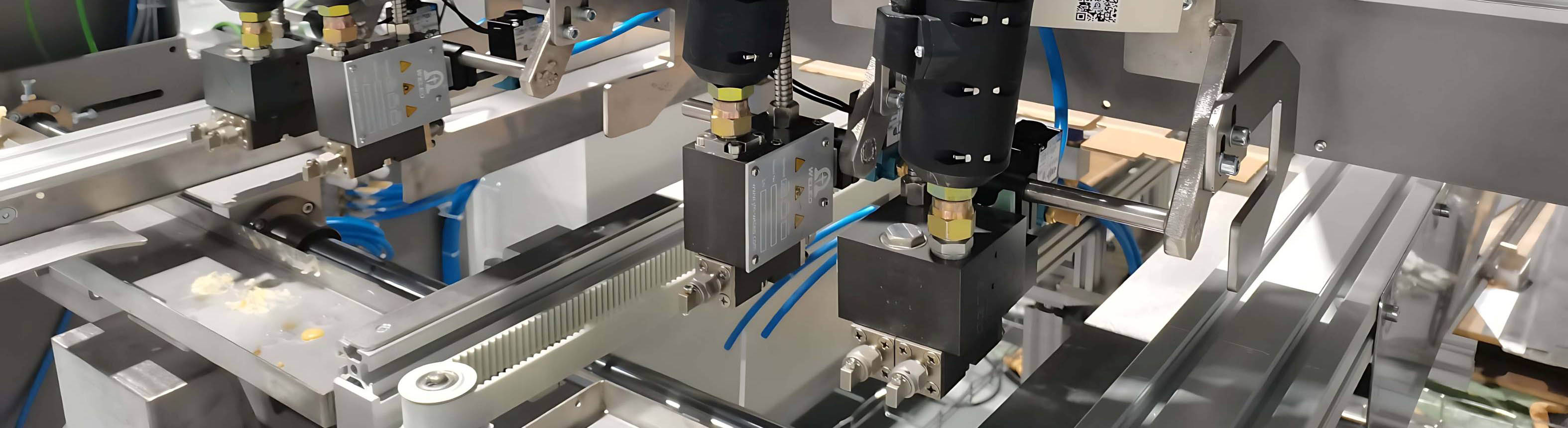
A hot melt system normally contains a melter, pump, Heated Hose, applicator, and nozzle. Every wetted path must keep the adhesive within its working temperature range. Once deposited, the material cools quickly, making it useful for fast packaging, product assembly, labels, non-wovens, and other automated processes.
Fast setting can shorten compression time, but the process has a limited open time. Temperature, viscosity, line speed, glue weight, and nozzle cut-off must remain coordinated.
How Cold Glue Application Works
Cold glue equipment transfers liquid adhesive from a tank or supply container through a pump to a nozzle, spray head, or roller.
Water-based glue often bonds well to porous materials such as paper and cardboard because the carrier can be absorbed or evaporated. Drying may take longer than hot melt cooling, so joint pressure and downstream handling time must be considered.
Compare the Two Processes
| Factor | Hot melt | Cold glue |
|---|---|---|
| Material preparation | Heated and melted | Supplied in liquid form |
| Bond development | Mainly cooling and solidification | Drying, absorption, or curing |
| Typical speed advantage | Rapid initial set | Good wetting on porous materials |
| Equipment path | Heated tank, hose, and gun | Tank, pump, and unheated delivery path |
| Main control concern | Temperature and viscosity | Flow, cleanliness, and drying |
| Common maintenance issue | Char or hardened hot melt | Dried adhesive or contamination |
This hot melt vs cold glue system comparison shows that neither method is automatically better. Suitability depends on the package, substrate, production speed, bond requirement, available compression time, and operating environment.
Consider Substrate Conditions
Surface porosity, coating, contamination, temperature, and flexibility influence adhesive choice. Cold glue may suit absorbent paper products, while hot melt can create rapid handling strength on many packaging and assembly lines.
Actual substrates should be included in testing. Recycled board, coated paper, films, wood products, and laminated materials can respond differently even when the same adhesive weight and application pattern are used.
Compare Operating Requirements
An adhesive system comparison industrial review should include heating power, drying time, line space, startup waste, cleaning labor, glue consumption, rejected products, and planned downtime.
Hot melt equipment requires electrical heating, insulated components, warm-up time, and burn protection. Cold glue systems may require longer drying time and frequent cleaning before adhesive dries inside pumps, hoses, or nozzles.
Use Testing to Make the Final Decision
A practical adhesive system comparison guide should document:
Required bond strength and setting time
Substrate materials and surface treatments
Normal and maximum line speed
Glue weight and application pattern
Temperature and humidity during production
Storage and transport environment
Cleaning and shutdown frequency
The difference hot melt cold glue selection becomes clear when these conditions are tested together. WELEO configures heated and cold glue systems around the material, pump demand, pattern, production signals, and maintenance process, helping the selected method deliver repeatable bonding rather than merely matching a general glue application types category.