





What Is A Smart Adhesive Control System?
A smart control system coordinates adhesive heating, feeding, pumping, metering, pattern timing, alarms, recipes, and production-line signals while recording useful operating data. Its purpose is not merely remote access; it should make adhesive application more repeatable, diagnosable, and easier to manage across products and shifts.
Table of Contents
Smart Control Starts With Reliable Basic Control
Temperature zones must reach readiness, pumps must operate within safe limits, and guns must trigger at the correct position before advanced features add value. Sensors, signal scaling, wiring, and calibration must be reliable.
A smart adhesive control system should never use software to hide unstable heating, blocked filters, worn pumps, or inconsistent material. Intelligence depends on trustworthy process data.
Recipes Reduce Uncontrolled Adjustment
Recipes can store temperature, pump speed, pattern timing, distance compensation, and active application channels for each product. Controlled access prevents operators from changing calibration values while still allowing authorized setup.
Approved settings should be verified through adhesive weight, deposit position, pattern quality, and bond testing. Storing an unverified setting as a recipe only repeats the same process error.
Data Should Lead to a Production Action
An IoT glue dispensing system may report temperatures, pressure, motor status, adhesive level, output commands, alarms, and operating hours. Collecting every available signal is not automatically useful.
Each recorded value should support a decision: refill material, service a filter, inspect a heater, recalibrate output, or review abnormal consumption. Data without thresholds, ownership, and response rules only creates a larger screen.
Functions That Improve Daily Operation
| Function | Practical value | Validation method |
|---|---|---|
| Automatic readiness | Prevents dispensing before warm-up | Test cold startup |
| Recipe control | Repeats approved settings | Compare product changeovers |
| Speed compensation | Adjusts output with line movement | Weigh glue at several speeds |
| Level monitoring | Reduces supply interruptions | Simulate low-material condition |
| Alarm history | Supports fault diagnosis | Review timestamped events |
| Maintenance counters | Plans service by use | Compare cycles with wear records |
| Remote status | Improves visibility | Confirm access and data accuracy |
Connect Intelligence With Automation Safely
The main PLC, adhesive controller, robot, and supervisory system need clear signal ownership. Define which device controls temperature, pump permission, recipes, triggering, line speed, alarms, and emergency responses.
intelligent glue application should enter a defined safe state after communication loss or power recovery. Remote commands must not bypass local interlocks, guarding, temperature readiness, or emergency-stop circuits.
Use Trends to Detect Gradual Change
A single alarm reports that a limit has been crossed. Trends can reveal slow pressure increase, longer heating recovery, frequent low-level events, or rising adhesive consumption before production stops.
Trend data should be compared within the same adhesive grade and production recipe. Different products may use different flow rates, temperatures, patterns, and duty cycles.
Turn Information Into Maintenance Decisions
Pressure rise can indicate filter restriction, longer warm-up may point to heater deterioration, and increasing glue consumption may reveal recipe drift or nozzle wear. The controller should provide evidence for inspection rather than automatically assigning one cause.
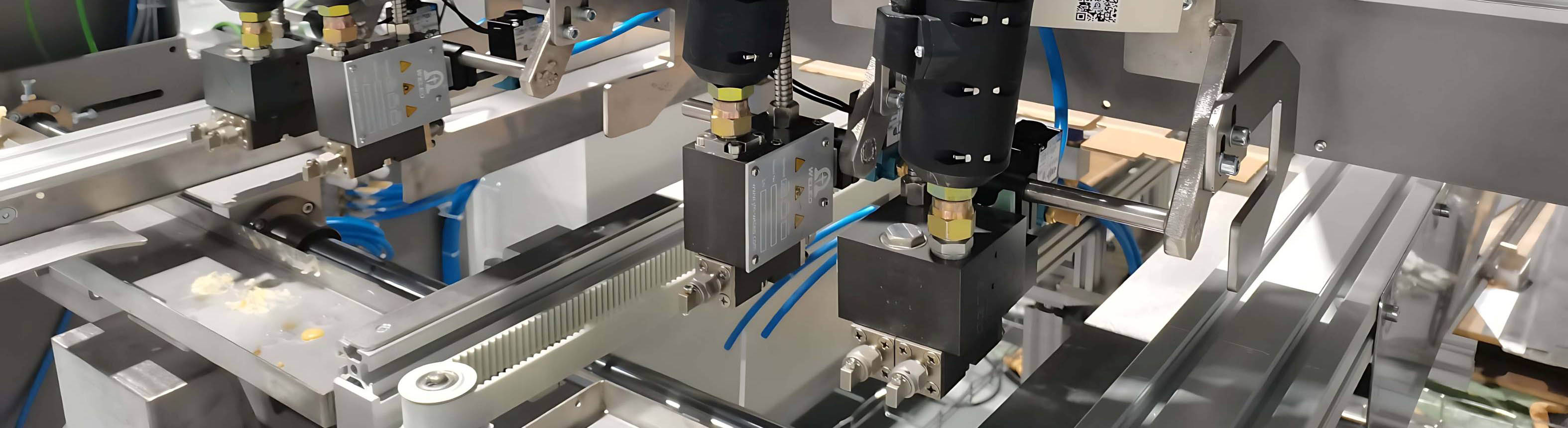
WELEO develops each smart glue control system as an intelligent adhesive system solution around the melter, dosing platform, applicators, sensors, and production interface. Combining dependable hardware control with relevant records, alarms, recipes, and diagnostics improves repeatability without adding digital functions that do not support real operating decisions.