





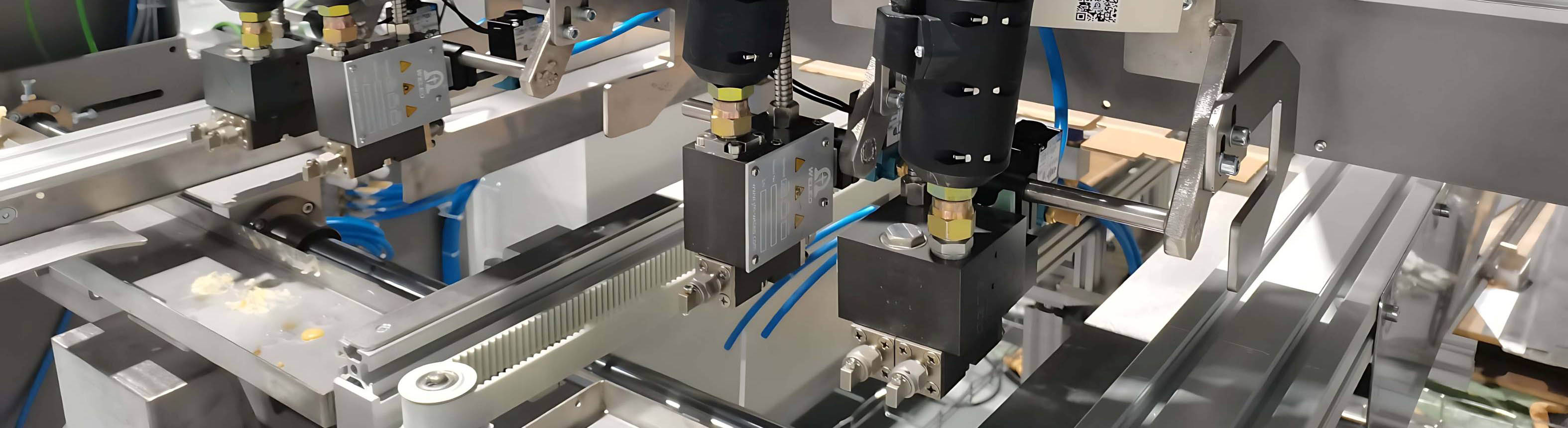
What Is A PUR Reactive Hot Melt Adhesive System?
PUR reactive hot melt adhesive system is equipment designed for melting, delivering, and applying polyurethane reactive hot melt adhesive. Unlike ordinary thermoplastic hot melt glue, PUR adhesive reacts with moisture after application and forms stronger chemical bonding over time. This makes it useful in furniture, woodworking, automotive interiors, filters, bookbinding, electronics, packaging, and applications requiring stronger bonding performance.
Because PUR adhesive is sensitive to moisture, the equipment cannot be treated as a normal hot melt machine. It needs better sealing, stable temperature control, controlled glue delivery, and correct operation steps. WELEO provides reactive adhesive application equipment for factories that need stable PUR processing and reliable adhesive output.
Table of Contents
- How PUR Hot Melt Works
- Why PUR Needs Special Equipment
- Common PUR Application Scenarios
- Temperature Control Is Critical
- Moisture Protection During Operation
- What Buyers Should Confirm Before Ordering
- PUR System Maintenance Focus
- WELEO Support For PUR Applications
- Better PUR Processing Starts With Correct System Planning
How PUR Hot Melt Works
PUR adhesive is heated into liquid form before application. After it is applied to the product surface, it cools quickly and creates initial bonding strength. Then it reacts with moisture in the air or material and develops stronger final bonding.
This dual bonding behavior is the main reason many factories choose PUR. It can provide better heat resistance, moisture resistance, and bonding strength compared with many standard hot melt adhesives.
However, the same reactive feature also creates equipment challenges. If moisture enters the tank, hose, or applicator, the adhesive may cure inside the system and cause blockage.
Why PUR Needs Special Equipment
A pur hot melt system supplier should understand that sealing and process control are critical. The system should reduce adhesive exposure to air, keep temperature stable, and support proper shutdown. Ordinary open tank systems may increase the risk of curing, carbonization, and difficult cleaning.
PUR systems may use different structures depending on adhesive packaging and production needs. Some applications use cartridge or drum melting. Some require hose and gun systems. Some need slot coating or precise dispensing.
| Key Requirement | Reason | Production Value |
|---|---|---|
| Better sealing | Reduces moisture contact | Prevents curing inside system |
| Stable heating | Keeps adhesive flow consistent | Reduces blockage and waste |
| Controlled pressure | Maintains output stability | Improves bonding consistency |
| Proper shutdown | Protects remaining adhesive | Reduces maintenance cost |
| Suitable applicator | Matches glue pattern | Supports process accuracy |
Common PUR Application Scenarios
pur reactive hot melt systems are used where stronger bonding or better durability is needed. In woodworking and furniture production, PUR can support edge bonding, panel lamination, and profile wrapping. In automotive interiors, it may be used for fabric, leather, foam, or component bonding. In bookbinding, PUR helps improve page pull strength and durability.
In filter production and assembly applications, PUR can help create strong sealing performance. For packaging and specialty materials, it can support bonding where ordinary adhesive may not meet performance needs.
Temperature Control Is Critical
PUR adhesive should not be overheated for long periods. Excessive heat may affect adhesive performance and increase residue. Low temperature can make the glue too thick and cause poor output. Stable temperature control helps maintain suitable viscosity and reduces pressure fluctuation.
Tank, hose, and applicator temperature should be controlled according to adhesive requirements. Operators should avoid long idle heating when the system is not producing. Standby mode and correct shutdown steps are important for reducing waste.
Moisture Protection During Operation
Moisture is the biggest concern in PUR processing. Once PUR adhesive reacts inside the machine, cleaning becomes difficult. Operators should keep adhesive packaging sealed before use and avoid exposing material to open air for too long.
The machine should also be operated according to correct procedures. Loading, startup, production pause, and shutdown all affect whether the system remains clean and stable.
What Buyers Should Confirm Before Ordering
Before selecting a PUR reactive hot melt system, factories should confirm adhesive packaging, viscosity, working temperature, output volume, application method, production speed, and required bonding performance. They should also clarify how often the system runs and how long production pauses usually last.
Important details include:
PUR adhesive form and package type
Daily glue consumption
Application width or glue pattern
Required hose and applicator quantity
Production speed range
Shutdown and cleaning frequency
Automation connection requirement
Installation space and operator access
These details help WELEO recommend a more suitable equipment configuration.
PUR System Maintenance Focus
PUR maintenance is different from standard hot melt maintenance. The main goal is to prevent cured adhesive from staying inside the machine. Filters, hoses, nozzles, and applicators should be checked regularly. Operators should follow proper cleaning material and shutdown process based on adhesive recommendations.
A well-maintained PUR system can reduce downtime and improve long-term production stability. Poor maintenance may cause blocked hoses, damaged pumps, cured adhesive residue, and expensive repair work.
WELEO Support For PUR Applications
WELEO provides PUR reactive hot melt adhesive equipment designed for industrial production needs. Our team reviews glue type, output requirement, application pattern, automation demand, and maintenance conditions before suggesting the system structure.
We can support factories that need PUR bonding for woodworking, furniture, filters, packaging, bookbinding, automotive interiors, and automated assembly. The focus is to help customers keep adhesive flow stable, reduce curing risk, and improve bonding consistency.
Better PUR Processing Starts With Correct System Planning
PUR adhesive can bring strong bonding performance, but only when the equipment and operation are properly matched. The right system should control temperature, reduce moisture exposure, deliver adhesive smoothly, and make maintenance easier.
WELEO can help evaluate your PUR adhesive process and recommend equipment that fits actual production conditions. With the right configuration, factories can use PUR adhesive more safely, more consistently, and with fewer unexpected maintenance problems.