





Why Are Glue Lines Not Consistent?
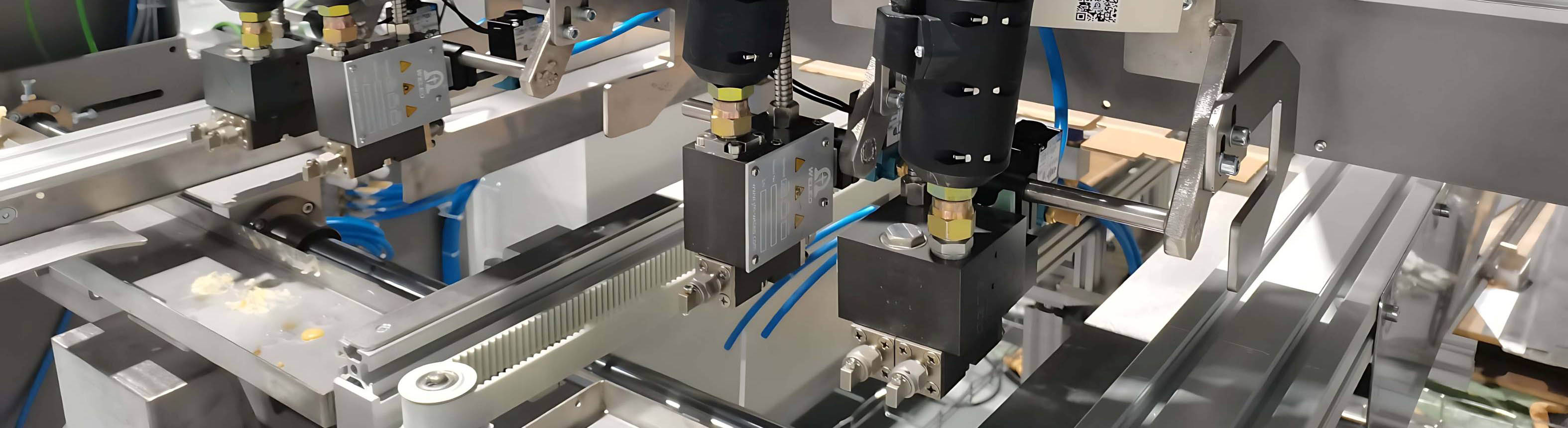
Stable glue lines are not created by one single machine part. They come from the combined control of adhesive temperature, pump output, hose heating, nozzle condition, trigger timing, substrate movement, and operator settings. When one of these variables changes during production, an inconsistent glue line problem appears quickly: the line becomes thick, thin, broken, shifted, or stringy. WELEO’s adhesive equipment range covers hot melt supply units, PUR reactive hot melt units, cold gluing systems, Heated Hoses, nozzles, guns, filters, and filling systems, so glue line stability must be treated as a complete application process rather than only a nozzle issue.
Table of Contents
Glue Line Variation Usually Starts Before the Nozzle
Many production teams first clean the nozzle when glue lines become unstable. That is useful, but it may not solve the root cause. Hot melt adhesive viscosity is temperature-dependent; higher temperature generally lowers viscosity and changes flow behavior, while insufficient heating makes adhesive harder to pump and spread. Technical hot melt literature also notes that hot melts are applied in a molten state and then cool quickly to form the bond.
A 5°C difference between tank, hose, and gun can already affect glue delivery on sensitive lines. When the adhesive is still melting in the tank but the hose is slightly cooler, the same pump stroke may not create the same bead shape. This is why adhesive dispensing line control should cover the full adhesive path.
Common Causes and Practical Checks
| Glue Line Symptom | Likely Cause | Practical Check | Improvement Direction |
|---|---|---|---|
| Broken line | Low pressure, clogged filter, delayed valve opening | Check filter pressure and nozzle outlet | Clean filter, verify pump capacity |
| Thick and thin sections | Temperature fluctuation or unstable pump output | Record tank, hose, gun temperature every 30 minutes | Match heating zones and pump speed |
| Shifted glue position | Trigger delay or wrong sensor position | Compare glue start point at different speeds | Adjust sensor distance and PLC timing |
| Stringing | Overheating, slow cut-off, wrong nozzle type | Check tail length after valve closing | Reduce standby heat and inspect needle seal |
At 120 m/min line speed, the substrate moves 2 meters per second. A trigger delay of only 10 milliseconds can shift the glue position by about 20 mm. This explains why small electrical or pneumatic response differences become visible glue defects on high-speed packaging, labeling, non-woven, or assembly lines.
How to Fix Inconsistent Glue Lines
The first step is to separate mechanical problems from process problems. A mechanical issue may come from a worn pump, blocked filter, damaged hose, loose gun module, or nozzle wear. A process issue may come from adhesive viscosity, substrate dust, incorrect temperature setting, line speed changes, or unstable sensor signals.
A reliable glue line consistency solution should include:
Tank, hose, and gun temperature comparison under running conditions
Pump output test by collecting adhesive for a fixed time
Nozzle cleaning and visual inspection under magnification
Trigger timing check at low, medium, and high speed
Glue weight measurement on at least 20 samples per shift
Bond strength comparison after cooling or curing
ASTM D903 is used to compare peel or stripping characteristics of adhesive bonds under defined conditions, while ASTM D1002 covers apparent shear strength for single-lap adhesive joints. These test methods are useful references when glue appearance must be connected with real bond performance, not only visual inspection.
How WELEO Supports Stable Glue Application
WELEO designs adhesive application systems around the actual production process. For a packaging line, the focus may be fast response, clean cut-off, and stable bead position. For Non-woven Applications, coating uniformity, spray width, and adhesive weight control are more important. For PUR applications, moisture protection, melting method, and thermal stability must be carefully matched.
A factory should not keep adjusting glue amount every hour. The better approach is to define a stable temperature window, correct pump size, suitable hose length, correct nozzle structure, and repeatable control signal. When these factors are matched, fix inconsistent glue lines becomes a process upgrade rather than temporary troubleshooting.
Final Procurement Notes
Before selecting a glue system, prepare basic production data: adhesive type, viscosity range, required glue line width, line speed, substrate material, working hours per day, and expected bond test method. WELEO can review these details and recommend a system configuration that reduces glue application defect risks from the beginning. Send sample materials, speed requirements, and glue pattern drawings to receive a more accurate equipment proposal and quotation.