





What Is a Hot Melt Adhesive System?
Hot melt technology has become a standard bonding method across modern manufacturing. Instead of relying on solvents or long curing cycles, it uses heat to melt solid adhesive and apply it in a controlled liquid state. Once the adhesive cools, it forms a strong bond within seconds, making it highly suitable for fast production environments.
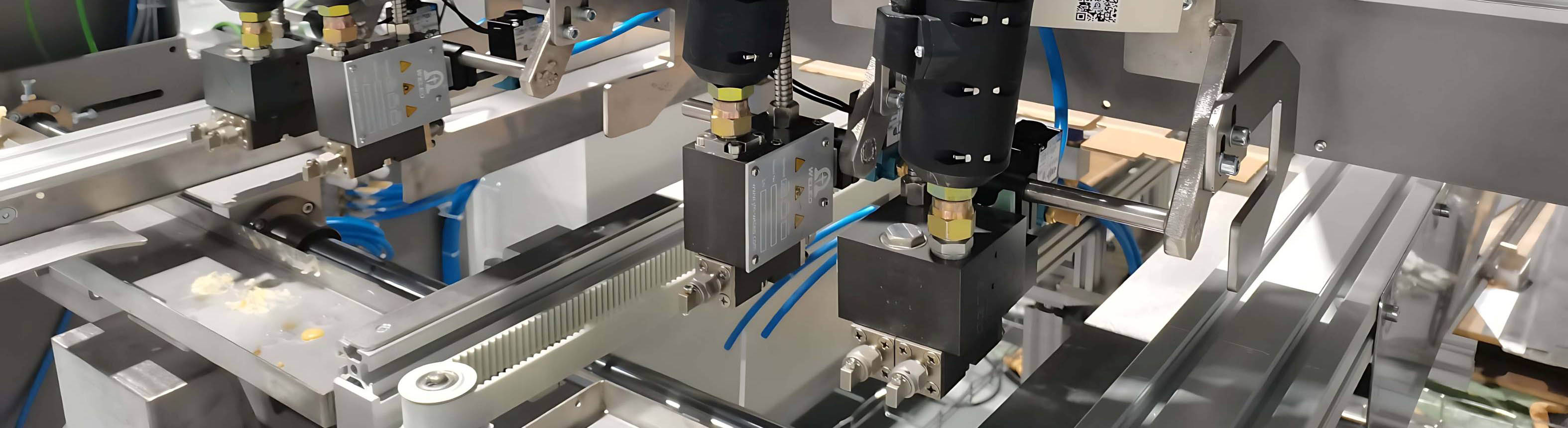
A hot melt adhesive system is the complete setup that melts, transports, controls, and applies adhesive to a product surface. It is widely used in packaging, woodworking, electronics assembly, hygiene products, and automotive components where speed and consistency are critical.
According to global manufacturing data published in 2024, hot melt adhesives account for over 35 percent of industrial bonding applications due to their efficiency, low emissions, and fast processing speed. This growing adoption highlights the importance of understanding both the structure and function of these systems.
Table of Contents
- Core components of a hot melt system
- How hot melt systems work in production
- Types of hot melt adhesive systems
- Advantages of hot melt adhesive systems
- Common challenges in hot melt systems
- How WELEO supports efficient adhesive systems
- Why hot melt systems are essential in modern manufacturing
- Conclusion
Core components of a hot melt system
To understand what is hot melt system, it is important to look at how each part works together. A typical system includes several key modules, each responsible for a specific stage of the process.
Melting unit
The process begins in the melting tank, where solid adhesive is heated to a controlled temperature. The goal is to achieve a stable liquid state without degrading the material. Modern systems use precise temperature sensors and multi-zone heating to maintain consistency.
Pump and delivery system
Once melted, the adhesive is transferred through hoses using a pump. Depending on the application, systems may use piston pumps or gear pumps to regulate flow. The delivery section plays a critical role in maintaining stable pressure and consistent output.
Heated Hoses
The adhesive travels through heated hoses that keep it at the correct temperature during transfer. If heat is lost along the way, the adhesive can thicken and affect flow stability.
Applicator or nozzle
The final stage is the applicator, where adhesive is dispensed onto the product. This can be in the form of beads, spray patterns, or coating layers, depending on production requirements.
How hot melt systems work in production
Understanding how hot melt system works requires looking at the process as a continuous cycle rather than separate steps.
The adhesive is first melted to a specific temperature range. It is then pressurized and delivered through the system at a controlled rate. At the nozzle, it is applied precisely onto the target surface. As soon as it contacts the material, it begins to cool and solidify, creating a bond.
This entire process often takes only a few seconds. Compared to solvent-based adhesives, which may require drying time, hot melt systems significantly improve production speed.
Research from an international packaging association shows that switching to hot melt systems can increase line efficiency by up to 20 percent due to faster bonding and reduced waiting time.
Types of hot melt adhesive systems
Different applications require different system configurations. The main types include:
| System Type | Application | Key Feature |
|---|---|---|
| Manual system | Small-scale production | Flexible operation |
| Semi-automatic system | Medium production lines | Improved consistency |
| Fully automatic system | High-speed manufacturing | Maximum efficiency and precision |
Each type can be integrated into a broader industrial glue application system, depending on the level of automation required.
Advantages of hot melt adhesive systems
Hot melt technology offers several operational advantages that explain its widespread use.
Fast bonding speed
The adhesive solidifies quickly after application, allowing immediate handling and reducing production delays.
Clean application
Unlike solvent-based adhesives, hot melt systems do not release harmful emissions, making them safer for operators and compliant with environmental standards.
Material efficiency
Precise control reduces excess adhesive usage. Studies show that optimized systems can lower adhesive consumption by 10 to 20 percent.
Strong and versatile bonding
Hot melt adhesives can bond a wide range of materials, including paper, plastic, wood, and textiles.
Common challenges in hot melt systems
Despite their advantages, these systems require proper design and management to perform effectively.
Temperature instability can lead to inconsistent viscosity. Poor pump selection may cause uneven flow. Contamination or improper maintenance can affect nozzle performance.
These challenges are typically related to system configuration rather than the adhesive itself. Choosing the right hot melt glue equipment is essential for avoiding these issues.
How WELEO supports efficient adhesive systems
WELEO focuses on delivering reliable adhesive solutions designed for real production environments. Its product range includes piston pump systems, high precision gear pump units, quantitative spraying systems, PUR reactive adhesive equipment, and cold glue systems.
Each system is engineered to maintain stable temperature, consistent pressure, and smooth flow. Advanced heating design helps prevent adhesive degradation, while optimized internal structures reduce the risk of clogging and uneven output.
WELEO systems are also designed for integration into automated production lines, supporting flexible configuration and consistent performance across different industries.
Why hot melt systems are essential in modern manufacturing
Manufacturing today demands speed, consistency, and cost control. Hot melt adhesive systems meet these requirements by providing fast bonding, efficient material usage, and reliable operation.
A 2024 industrial efficiency report indicates that companies using optimized adhesive systems achieved up to 15 percent higher productivity and significantly lower defect rates.
With the right system design and proper process control, hot melt technology becomes a powerful tool for improving both product quality and production efficiency.
Conclusion
A hot melt adhesive system is more than just a melting unit. It is a coordinated process that combines heating, pumping, control, and application into one integrated solution. Understanding how each part functions helps manufacturers achieve stable and efficient adhesive performance.
WELEO provides solutions built around precision, reliability, and real-world application needs. With the right system in place, adhesive application becomes a controlled and predictable part of the production process.