





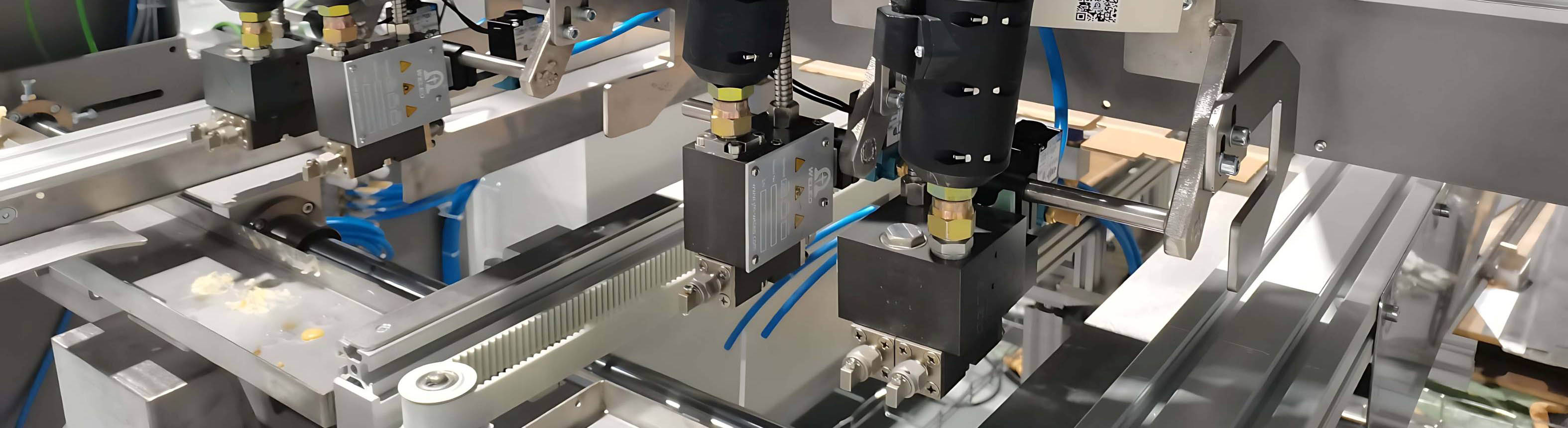
Why Do Glue Nozzles Clog Frequently?
Frequent nozzle blockage is one of the most disruptive issues in adhesive application processes. It slows down production, increases maintenance workload, and often leads to inconsistent bonding quality. Many production teams treat clogging as a routine cleaning task, but in reality, it is a sign of deeper system imbalance. Understanding the root causes behind adhesive nozzle clogging issues is essential for improving long-term production stability.
A 2023 industrial maintenance survey in Europe reported that nearly 35 percent of adhesive system downtime is directly related to nozzle contamination or blockage. Another manufacturing study indicated that clogged nozzles can increase adhesive waste by more than 15 percent due to irregular flow and overcompensation adjustments. These figures show that nozzle performance has a direct impact on both efficiency and cost.
Table of Contents
What actually causes nozzle clogging
Nozzle clogging is rarely caused by a single factor. It is usually the result of multiple conditions interacting over time. Identifying these factors helps prevent recurring glue dispensing problems.
Thermal degradation of adhesive
Hot melt adhesives are sensitive to prolonged exposure to high temperature. When adhesive stays in the system without proper circulation, it can degrade and form carbonized particles. These particles gradually accumulate inside the nozzle and restrict flow.
Technical research from adhesive material studies shows that prolonged overheating can increase the formation of residue by over 20 percent, especially in systems without stable temperature control.
Contamination in the system
Dust, degraded adhesive, or foreign particles entering the system can lead to internal blockage. Even small contaminants can build up at the nozzle tip, where flow passages are narrow.
Maintenance records from packaging production lines indicate that contamination-related clogging accounts for over 40 percent of nozzle issues, particularly in environments with high airborne particles.
Improper shutdown procedures
When adhesive systems are shut down without proper purging, residual glue remains inside the nozzle and hardens over time. This is especially common in intermittent production schedules.
Once hardened, these residues restrict flow and cause uneven dispensing during the next startup cycle.
Inconsistent temperature control
If the nozzle temperature is lower than the adhesive supply temperature, the glue may solidify prematurely near the outlet. On the other hand, excessive temperature can accelerate degradation and residue formation.
A stable temperature profile across the entire system is critical for preventing clogging.
Signs that nozzle clogging is developing
Early detection can prevent serious production interruptions. The following symptoms often indicate developing blockage:
| Symptom | Likely Cause | Impact |
|---|---|---|
| Reduced glue flow | Partial blockage inside nozzle | Weak bonding strength |
| Irregular spray pattern | Residue buildup | Poor product appearance |
| Glue stringing | Temperature imbalance | Contamination on product surface |
| Sudden pressure increase | Internal obstruction | Equipment stress |
| Frequent cleaning required | System contamination | Increased downtime |
How to prevent nozzle clogging effectively
Preventing clogging requires a combination of proper system design and disciplined operation practices. The following methods are widely recognized as effective solutions.
Maintain stable system temperature
Keeping the adhesive within the recommended temperature range reduces degradation and ensures smooth flow. Temperature consistency across tank, hose, and nozzle prevents localized solidification or overheating.
Studies show that maintaining temperature variation within 2 degrees Celsius can significantly reduce residue formation.
Optimize adhesive flow design
A well-designed system ensures continuous adhesive movement, minimizing stagnation areas where glue can degrade. Smooth flow channels and balanced pressure distribution help reduce buildup inside the nozzle.
This is a critical part of how to prevent nozzle clogging in high-speed production environments.
Implement regular cleaning procedures
Routine cleaning is essential, but it must follow standardized procedures. Random or incomplete cleaning often leaves residue behind.
An effective adhesive nozzle cleaning method typically includes controlled heating, purging, and inspection steps to ensure no hardened material remains.
Use high-quality filtration
Installing proper filters in the adhesive supply line prevents contaminants from reaching the nozzle. This is especially important in industries with strict cleanliness requirements.
Train operators on shutdown practices
Correct shutdown procedures prevent adhesive from solidifying inside the nozzle. Purging the system before stopping production reduces the risk of hardened residue.
Role of equipment design in reducing clogging
Equipment design plays a decisive role in nozzle performance. Systems that prioritize flow stability and thermal consistency are less likely to experience clogging.
WELEO develops adhesive systems with a focus on reducing maintenance challenges. Its equipment integrates precise temperature control, optimized flow paths, and anti-carbonization design features. These elements help minimize residue formation and support long-term stable operation.
For example, advanced heating structures ensure uniform temperature distribution, while optimized internal channels reduce dead zones where adhesive could degrade. Such design improvements directly address common hot melt nozzle maintenance challenges.
Long-term impact of solving nozzle clogging
Reducing nozzle clogging brings measurable benefits beyond maintenance savings. Stable dispensing improves product quality, reduces adhesive consumption, and increases production efficiency.
A manufacturing efficiency report from 2024 shows that companies with optimized adhesive systems reduced downtime by up to 20 percent and improved bonding consistency significantly.
When nozzle performance is stable, operators spend less time adjusting parameters and more time maintaining steady production output.
Conclusion
Frequent nozzle clogging is not just a maintenance issue. It reflects deeper problems in temperature control, system design, and operational discipline. Addressing these factors systematically can eliminate recurring blockage and improve overall production performance.
WELEO provides adhesive solutions designed to minimize clogging risks while ensuring consistent and efficient dispensing. With the right system and proper maintenance strategy, stable adhesive application becomes a predictable and controllable part of the production process.