





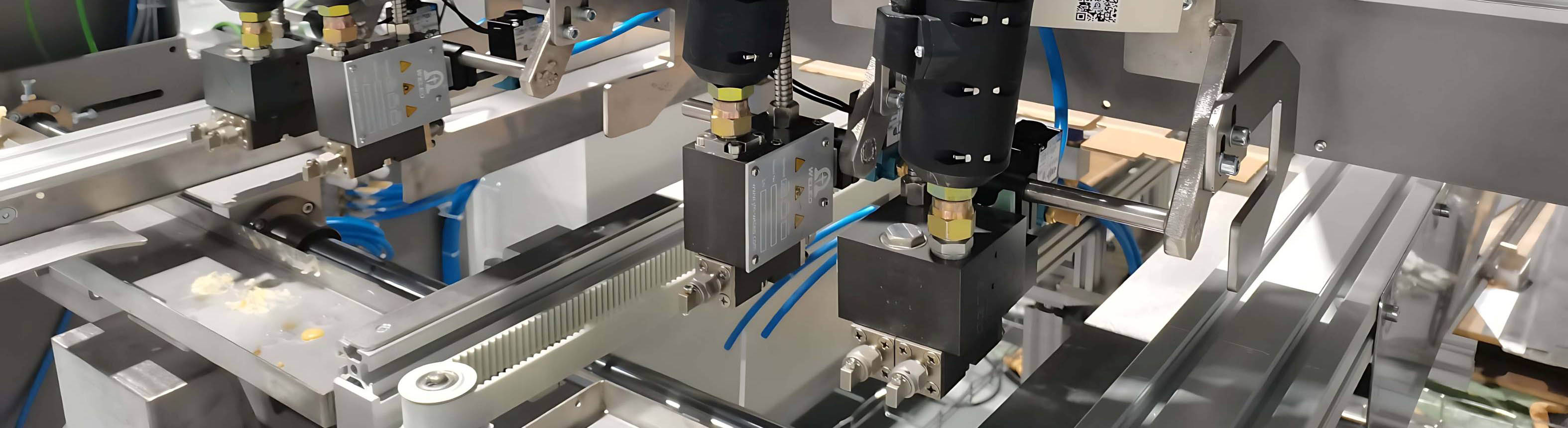
Piston Pump Vs Gear Pump Hot Melt Melter: Which One Should You Choose?
Pump selection has a direct impact on hot melt adhesive output, bonding quality, maintenance cost, and long-term production stability. Many factories compare tank size and price first, but the pump structure inside the hot melt melter often decides whether the equipment can match the real production process.
piston pump hot melt melter and gear pump hot melt melter are both widely used in industrial adhesive applications, but they are not designed for the same working needs. Understanding the difference can help factories avoid unstable glue output, unnecessary glue waste, and wrong equipment investment.
Table of Contents
Working Principle Difference
A piston pump uses reciprocating movement to push melted adhesive through the system. It is practical, strong, and widely used for general glue application. It can provide good pressure for intermittent dispensing and many standard production needs.
A gear pump uses rotating gears to move adhesive in a more continuous and controlled way. Because the gear rotation can be linked with speed control, it is often used when glue volume needs to be more precise.
The choice depends on whether the production process needs strong supply pressure or accurate flow control.
Where Piston Pump Systems Are Suitable
Piston pump systems are commonly used in packaging, carton sealing, tray forming, box closing, simple assembly, and other applications where stable adhesive supply is needed but the glue amount does not require extremely fine metering.
They are also suitable for factories that need a reliable hot melt melter for regular production. The structure is practical, and maintenance is usually straightforward when glue quality and cleaning routines are controlled.
Typical Advantages
Strong adhesive supply pressure
Suitable for many general applications
Practical equipment cost
Good choice for intermittent glue output
Easier operation for standard production lines
Where Gear Pump Systems Are Better
A gear pump hot melt melter is more suitable for applications requiring controlled glue volume. These may include coating, laminating, fine dispensing, precise glue lines, filter production, hygiene product lines, and production processes where glue amount affects product performance or material cost.
Because gear pumps can provide smoother flow, they help improve repeatability. This is important for factories that need to control adhesive usage per product.
| Selection Factor | Piston Pump Hot Melt Melter | Gear Pump Hot Melt Melter |
|---|---|---|
| Output style | Strong pressure supply | More stable flow control |
| Common use | Packaging and general bonding | Coating and precision dispensing |
| Accuracy level | Suitable for standard needs | Better for controlled glue amount |
| Maintenance focus | Seals, pressure, filters | Gears, flow, viscosity control |
| Cost direction | More practical for general use | Higher value for precision lines |
| Best match | Intermittent dispensing | Continuous or metered output |
Adhesive Viscosity Matters
Pump selection for hot melt should always consider adhesive viscosity. High-viscosity glue may require stronger pump pressure and stable heating. Low-viscosity adhesive may need better flow control to avoid excess glue.
If viscosity changes during operation because of temperature fluctuation, both pump types can face problems. The piston pump may show pressure changes. The gear pump may show flow variation. Therefore, temperature control is still important no matter which pump is selected.
Production Speed And Glue Amount
High-speed production lines need equipment that can respond quickly and keep output consistent. If the production process only needs glue at specific points, a piston pump system may be enough. If the process needs the same glue amount per unit area or per product, a gear pump system may be more suitable.
For example, carton sealing does not always need highly precise metering. But coating and laminating usually require better control because too much adhesive increases cost and too little adhesive affects bonding performance.
Maintenance Comparison
Both pump types need proper maintenance. Piston pump systems require attention to seals, air supply, pressure stability, and filter cleaning. Gear pump systems require clean adhesive, stable temperature, and protection from hard particles that may damage internal gears.
For both systems, glue contamination is a common problem. Carbonized particles, dust, cured PUR, or dried adhesive can increase wear and block nozzles. A good cleaning schedule is necessary for stable operation.
WELEO Selection Advice
WELEO offers both piston pump and precision gear pump hot melt equipment. Our recommendation is based on glue type, application pattern, required accuracy, production speed, daily working hours, and maintenance requirements.
For factories focused on general packaging or standard bonding, piston pump systems often provide a practical solution. For factories that need precise glue control, smoother flow, and lower glue variation, gear pump systems can offer better production value.
Do Not Choose Only By Machine Price
A lower-cost machine may become expensive if it creates glue waste, stoppage, or unstable bonding. A more advanced pump may also be unnecessary if the application does not require high precision. The better choice is the pump that matches the production process.
WELEO can review your adhesive type, glue output demand, machine speed, and application method, then recommend a suitable pump structure. A well-matched hot melt melter helps production lines run with better stability and fewer process problems.