





How To Choose Adhesive Equipment For Mattress Production?
Mattress bonding involves large, flexible, and often porous materials that can move or compress during application. Equipment selection should reflect foam type, fabric, felt, spring-unit construction, adhesive open time, spray width, coat weight, production speed, and the required handling strength before the next assembly step.
| Mattress operation | Application priority |
|---|---|
| Foam layer lamination | Broad and even adhesive coverage |
| Fabric or felt attachment | Controlled spray with limited bleed-through |
| Edge and border bonding | Accurate placement and clean boundaries |
| Spring-unit assembly | Access around irregular structures |
| Multiple mattress sizes | Adjustable width, recipes, or movable heads |
Table of Contents
Test the Actual Mattress Materials
Memory foam, polyurethane foam, latex, felt, non-woven fabric, and decorative textiles differ in porosity, heat sensitivity, and surface condition. A pattern that performs well on dense foam may soak into open-cell material or show through thin fabric.
Testing should evaluate whether the adhesive remains mainly on the surface or penetrates too deeply. Excess absorption increases consumption without necessarily improving the finished bond.
Match Adhesive and Equipment Structure
The adhesive technical data should define working temperature, viscosity, open time, recommended coat weight, and cleaning method. Thermoplastic hot melt requires controlled heating; pressure-sensitive or reactive products may need different feeding and exposure control.
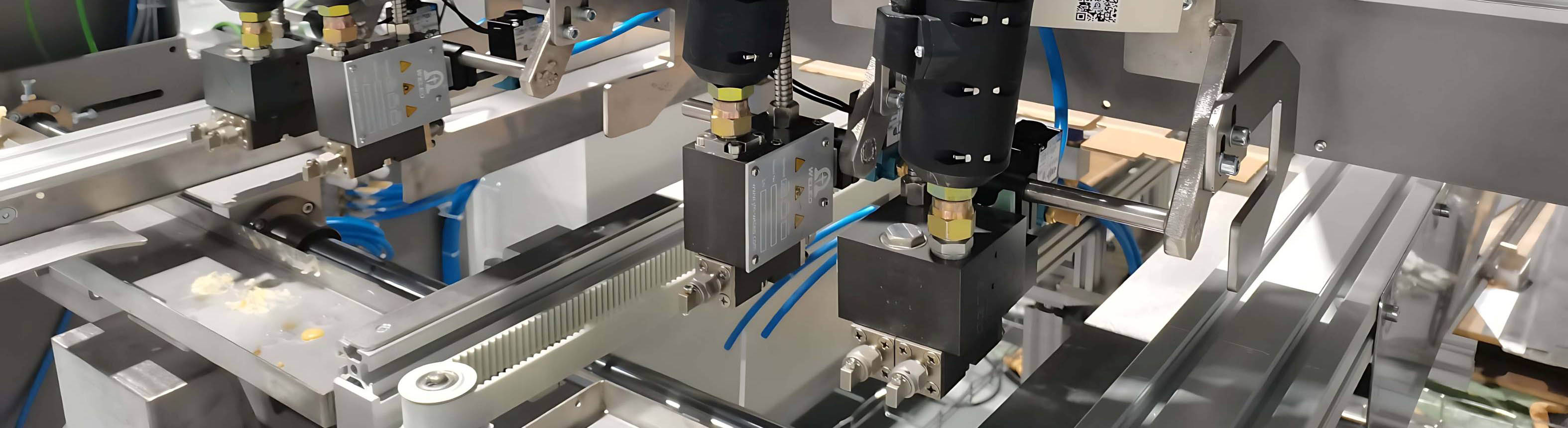
mattress adhesive equipment should keep viscosity stable from the supply unit to every spray head. Long hoses, moving applicators, and wide working areas must be considered when choosing heating capacity, hose routing, and pump output.
Select Spray Coverage From the Bond Area
Full-surface coating may provide broad contact but can increase material consumption and reduce breathability. Spiral, swirl, or other controlled spray patterns can distribute adhesive over a wide area with less continuous coverage.
A hot melt spray coating system should allow spray width and deposit weight to be evaluated separately. Increasing air pressure may widen the pattern while reducing adhesive density or increasing overspray.
Size the Pump for Moving and Multiple Heads
Calculate adhesive use from coat weight per mattress, production rate, active spray heads, and their simultaneous duty cycle. Wide beds or multi-station lines may create high peak flow even when average hourly use appears moderate.
Gear dosing can support closer flow control where coat weight must follow conveyor or gantry speed. The pump should operate within a stable range for the smallest and largest mattress formats.
Coordinate Spraying With Movement
Automated glue dispensing for mattress production must synchronize pump delivery, head travel, triggering, and conveyor speed. Moving hoses need supported routing without tight bends or torsion.
Travel speed should be tested across the complete mattress width. Acceleration near edges can change local coat weight if pump output and head movement are not coordinated.
Control Overspray and Maintenance
Overspray can contaminate conveyors, fixtures, rollers, and surrounding materials. Nozzle height, angle, airflow, pattern width, and masking should be verified during trials. The lowest reliable coat weight should be confirmed through bond tests rather than visual appearance alone.
Filters, spray modules, hoses, and moving mounts need accessible service points. WELEO reviews mattress materials, adhesive data, working width, head movement, peak flow, and automation signals together, creating equipment configurations that support repeatable coverage and practical cleaning across different mattress sizes.