





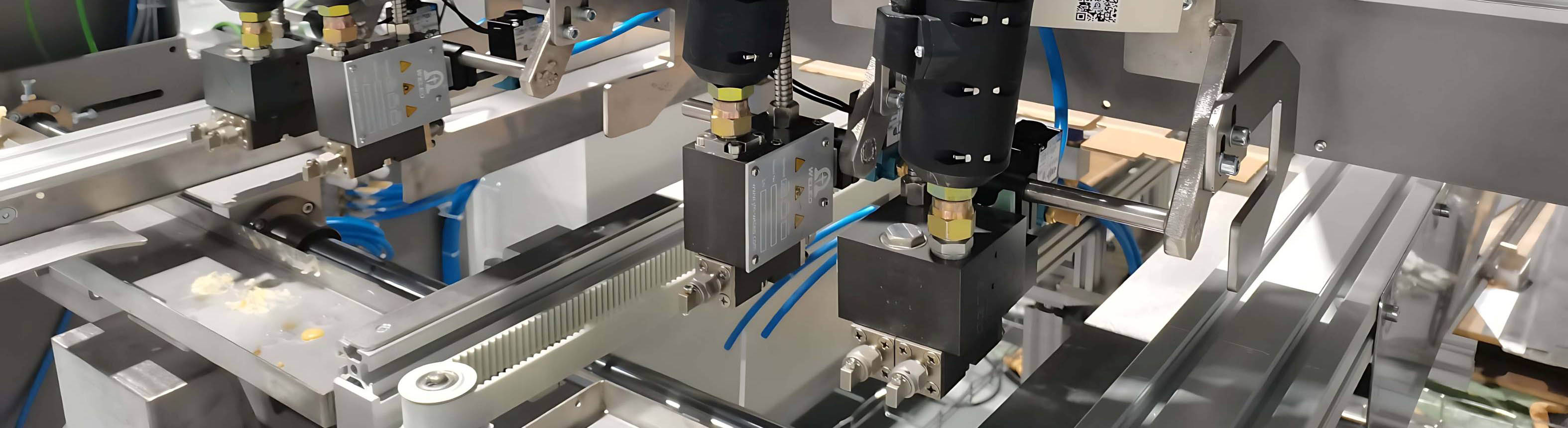
What Is A Low Maintenance Adhesive System?
A low-maintenance system is designed to reduce unplanned service, simplify routine cleaning, make wear parts accessible, and prevent the operating conditions that create char, cured adhesive, blockage, leakage, or premature component failure. It still requires inspection and planned replacement of consumable parts.
Table of Contents
Maintenance Begins With Correct Equipment Sizing
Undersized equipment may operate continuously near its temperature, pressure, or flow limit. Oversized tanks can hold adhesive hot for too long. Both conditions increase material stress and maintenance demand.
Pump capacity, melt rate, hose diameter, filter area, and nozzle size should match adhesive viscosity and peak consumption. Correct sizing reduces emergency adjustments that accelerate wear.
Protect the Adhesive From Degradation
Temperature should remain within the approved process range. Excess heat and long residence time can create oxidation and char in thermoplastic hot melt. PUR systems require sealed handling to limit moisture and premature curing.
Standby functions lower thermal exposure during pauses. Scheduled startup can reduce unnecessary hours at operating temperature without delaying production readiness.
Keep Contamination Out of the System
Clean storage, covered loading areas, dedicated tools, and controlled material changes reduce debris before it reaches the tank. Filters protect pumps and nozzles, but frequent blockage often indicates a problem upstream.
A durable adhesive equipment system should use filtration appropriate to viscosity, flow, and the smallest orifice. A filter that is too fine may create pressure loss and require more frequent service.
Make Routine Service Predictable
| Maintenance area | Design feature | Operating benefit |
|---|---|---|
| Tank | Accessible interior and drain path | Easier removal of residue |
| Filter | Reachable housing and correct mesh | Faster condition checks |
| Pump | Removable covers and service clearance | Shorter replacement time |
| Hose | Protected routing and bend radius | Lower heater and core damage |
| Gun and nozzle | Accessible mounting position | Cleaning without losing alignment |
| Controls | Alarm and fault history | Faster diagnosis |
Separate Root Causes From Failed Parts
Replacing a blocked nozzle does not solve contamination or adhesive degradation. Replacing a hose does not correct repeated torsion. A low maintenance glue system should make pressure, temperature, alarm, and operating-hour trends available so recurring causes can be identified.
Maintenance records should connect each repair with adhesive grade, recipe, production speed, filter condition, and shutdown history. This prevents repeated replacement without process correction.
Standardize Routine Maintenance
Inspection intervals should reflect adhesive behavior, operating hours, temperature history, and production demand. Daily checks may focus on leaks and pattern quality, while filters, tank condition, heaters, and pumps follow longer service cycles.
Clear part numbers, approved cleaning tools, and documented shutdown procedures reduce mistakes. Maintenance personnel should be able to reach service points without dismantling unrelated machinery.
Evaluate Reliability Under Production Conditions
industrial glue reliability should be verified during warm-up, full-speed output, refilling, planned stops, and changeovers. Stable idle operation does not show whether filters restrict, heaters recover, or seals leak under working pressure.
WELEO develops each reliable adhesive equipment solution around adhesive behavior, access, filtration, thermal control, and production demand. The result is a low maintenance glue system supported by preventive operating conditions and serviceable components rather than an unrealistic promise of maintenance-free use.