





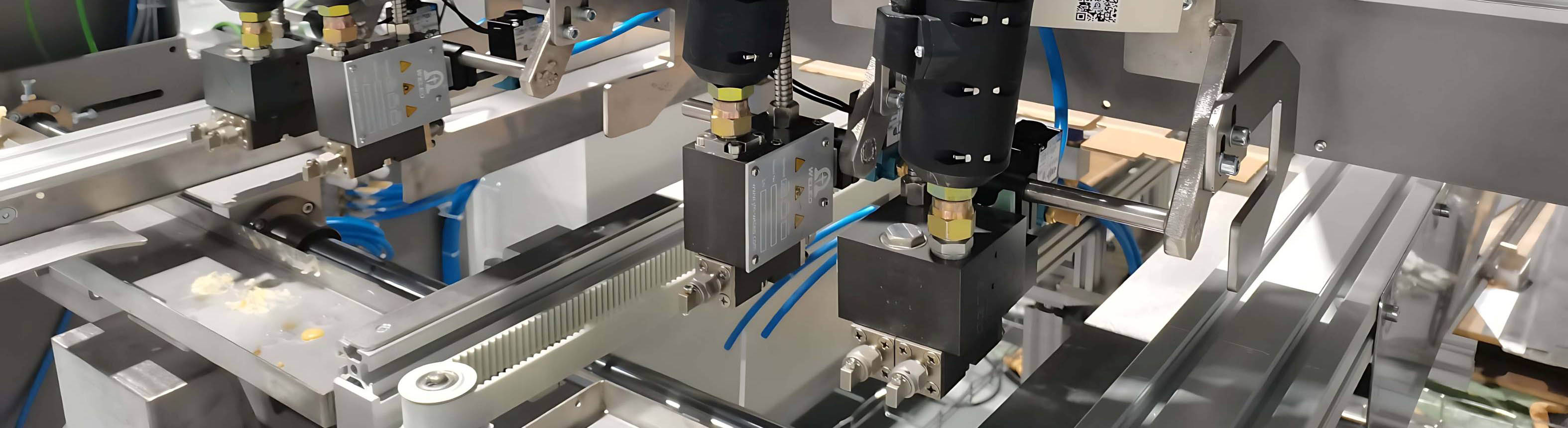
How To Choose Hot Melt Equipment For Carton Sealing Lines?
Carton sealing equipment should match box structure, board quality, adhesive, line speed, flap geometry, compression time, and operating environment. Reliable sealing depends on the complete path from melting and pumping to bead placement and flap compression.
Table of Contents
Start With the Carton and Closure Design
Regular slotted cartons, trays, wraparound cases, and specialty boxes place different demands on adhesive location and compression. Record flap dimensions, glue positions, bead length, number of beads, and the time between application and closing.
Corrugated board varies in recycled content, surface coating, dust, porosity, and temperature. Bond testing should use actual cartons from production rather than clean laboratory samples alone.
Determine the Required Adhesive Output
Calculate glue weight per carton, cartons per minute, active guns, and peak line speed. Short dispensing windows may require high instantaneous flow even when total hourly consumption appears moderate.
The carton sealing glue system must maintain temperature and pressure while several guns open together. Melt rate should recover after refilling without producing a cold, heavy, or interrupted bead.
Choose Pump and Tank Capacity Together
Piston-pump melters can support many standard sealing lines with intermittent bead demand. Gear-pump systems may be preferred where glue quantity must follow line speed closely or tighter weight control is required.
Tank size should match consumption and loading frequency. A tank that is too small may require constant refilling; an oversized tank may keep adhesive hot for excessive periods and encourage oxidation or char.
Coordinate the Applicator With Machine Timing
Fast valve response creates clean bead starts and stops. Product sensors, trigger delay, gun position, and conveyor speed determine whether adhesive lands within the useful flap area.
A hot melt packaging equipment controller may store patterns for several carton sizes. When speed varies, encoder or distance-based compensation helps maintain bead position and length more reliably than one fixed timer.
Confirm Compression and Bond Formation
Check flap memory, compression force, guide-rail position, board temperature, adhesive open time, and the delay between dispensing and closure. Adding more adhesive may increase squeeze-out without correcting poor compression.
Compression testing should use the actual machine speed and carton batch. A seal that holds during slow setup may open after acceleration when flap control or compression time changes.
Verify Equipment Against Line Conditions
| Check | Production information required |
|---|---|
| Melt and pump capacity | Peak cartons per minute and glue weight |
| Gun configuration | Number of beads and active lanes |
| Pattern control | Carton sizes and conveyor speed range |
| Heating zones | Hose lengths, guns, and sensor types |
| Filtration | Adhesive cleanliness and nozzle size |
| Automation | Trigger, encoder, ready, and fault signals |
| Maintenance | Access, operating hours, and shutdown routine |
Before selecting glue equipment for carton sealing, test startup, full speed, simultaneous gun operation, refill recovery, planned stops, and several board batches.
WELEO develops each hot melt packaging system around carton samples, adhesive characteristics, line timing, peak flow, and available machine space. Coordinating melting, pumping, triggering, filtration, and compression supports stable seals while controlling glue consumption and maintenance.