





Why Is Bonding Strength Unstable in Adhesive Process?
Unstable bonding strength rarely comes from the adhesive alone. It is usually the result of inconsistent process conditions that alter how the adhesive wets, spreads, and cures on the substrate. When bonds fail intermittently, production teams often increase glue usage to compensate, which raises cost without solving the root cause. Effective adhesive bonding strength control requires a clear view of materials, surfaces, environment, and equipment working together.
Recent manufacturing analyses indicate that up to 22 percent of adhesion failures in automated lines are linked to process variation rather than material defects. Another 2024 study on assembly lines shows that improving process stability can raise pass rates by more than 15 percent without changing adhesive type.
Table of Contents
Where instability begins
Bond strength depends on three stages: surface preparation, application, and curing. Variability at any stage can reduce performance.
Surface condition and contamination
Oils, dust, and release agents reduce surface energy and prevent proper wetting. Even thin contamination layers can weaken bonds. In packaging and electronics, surface cleanliness is a primary factor behind many industrial bonding performance issue cases.
Inconsistent adhesive amount
Too little adhesive leads to incomplete coverage, while too much can trap air or delay curing. Both conditions reduce effective bonding area and lead to unpredictable results.
Temperature and humidity variation
Adhesive behavior changes with temperature. For moisture-reactive systems, humidity directly affects curing speed. A deviation of a few degrees or a change in ambient moisture can shift bond strength noticeably.
Pressure and contact time
Insufficient pressure or uneven contact prevents full wetting. Excessive pressure can squeeze out adhesive and reduce bond thickness. Both situations create weak joints.
Recognizing the symptoms
Instability often appears in patterns rather than isolated defects. Common signs include:
| Symptom | Likely Cause | Result |
|---|---|---|
| Bond failure at edges | Poor wetting or low pressure | Reduced holding strength |
| Random delamination | Surface contamination | Inconsistent product quality |
| Overuse of adhesive | Compensation for weak bonds | Higher cost |
| Long curing time | Temperature or humidity imbalance | Slower production |
Monitoring these indicators helps identify whether the problem is material-related or process-driven.
Practical ways to stabilize bonding strength
Standardize surface preparation
Consistent cleaning and surface treatment ensure that the adhesive can wet the substrate properly. In some applications, pre-treatment such as corona or plasma improves adhesion.
Control adhesive volume precisely
Accurate dispensing avoids both under-application and excess usage. Stable output is essential for uniform bonding performance.
Maintain stable environmental conditions
Temperature and humidity should be kept within a defined range. This is especially important for reactive adhesives where curing depends on environmental factors.
Optimize pressure and contact parameters
Applying the correct pressure for the right duration ensures proper adhesive spread and bonding. These parameters should be tested and standardized.
Use integrated system control
Coordinating temperature, pressure, and flow in one system improves consistency. This approach directly supports better glue application quality across production cycles.
Equipment role in bonding stability
Equipment design has a direct impact on bonding performance. Systems that deliver consistent flow, stable temperature, and accurate timing reduce variability.
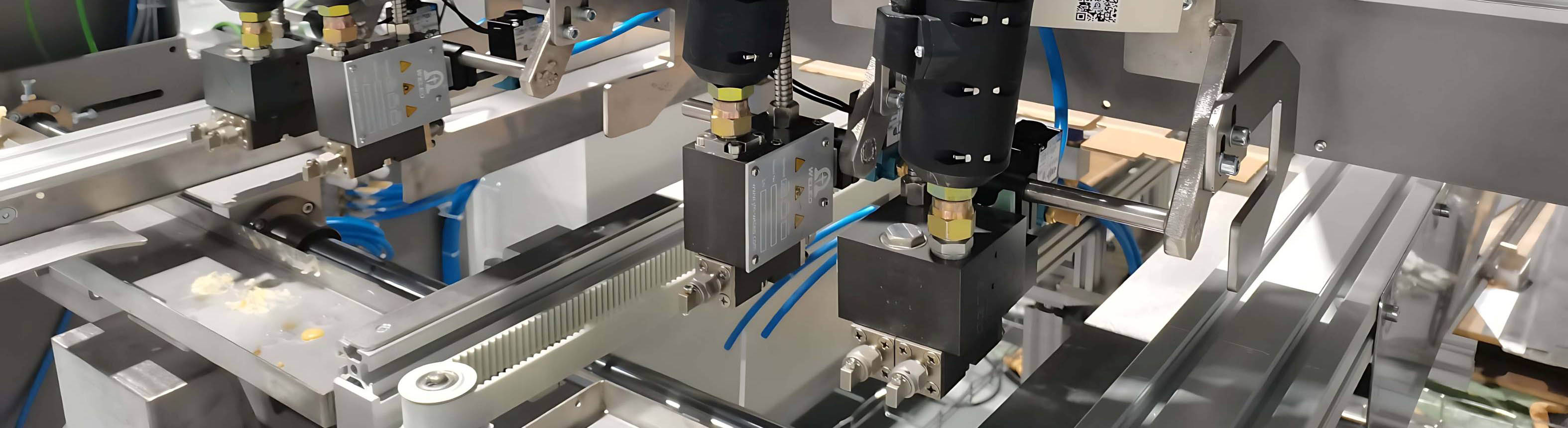
WELEO develops adhesive solutions that focus on process stability. Its systems integrate precise pump technology, optimized heating control, and reliable pressure regulation. These features help maintain uniform adhesive application and reduce fluctuations that lead to weak bonding.
By addressing the core factors behind instability, WELEO provides an effective adhesive bonding problem solution for modern production lines.
Improving long-term consistency
Achieving stable bonding is not a one-time adjustment. It requires continuous monitoring and improvement.
Tracking key parameters such as adhesive volume, temperature, and defect rate helps maintain control over the process. Regular system calibration and maintenance ensure that performance remains stable over time.
Industry data shows that companies implementing structured process control achieved up to 18 percent improvement in bonding reliability.
Conclusion
Unstable bonding strength is typically caused by variations in surface condition, adhesive application, and environmental control. Addressing these factors systematically can significantly improve bonding strength consistency.
With the right combination of process management and equipment design, manufacturers can achieve reliable and repeatable bonding results. WELEO provides solutions that support stable adhesive application, helping production lines maintain quality and efficiency.