





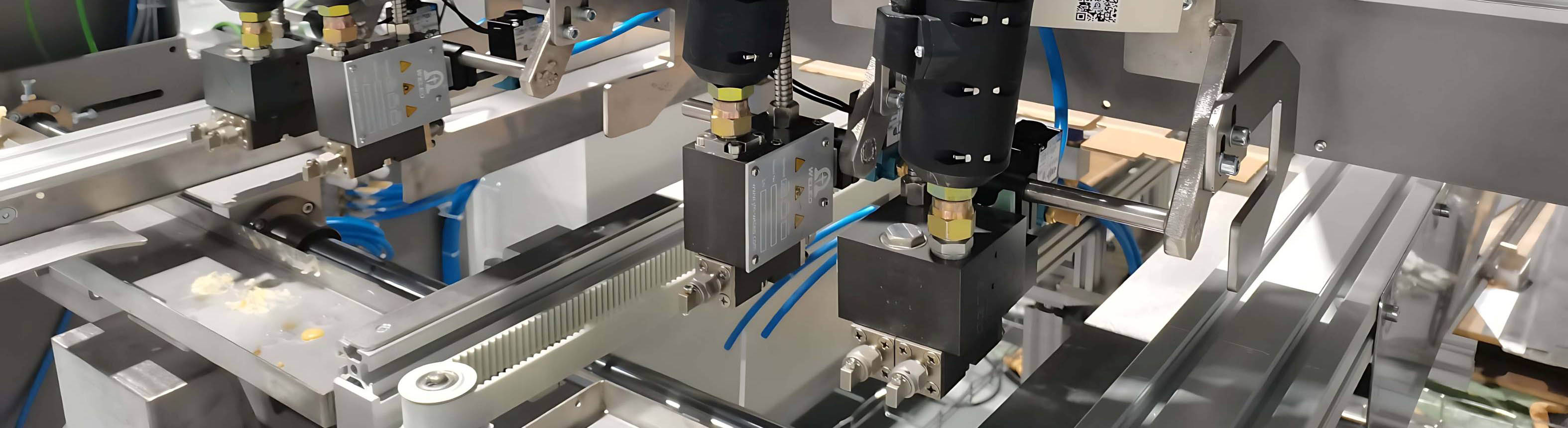
How Does a Glue Dispensing System Work?
Glue application looks simple on the surface, but behind every consistent bond is a coordinated system that controls temperature, pressure, timing, and flow. A modern adhesive dispensing system is designed to deliver the right amount of adhesive, at the right location, under stable conditions, regardless of production speed.
Manufacturing data from 2024 shows that automated dispensing systems can improve bonding consistency by over 25 percent compared to manual or semi-controlled application methods. This explains why more factories are shifting toward structured and controlled dispensing solutions.
Table of Contents
- From material to bond: the full process
- Main components inside a dispensing system
- Types of dispensing methods
- Why automation improves dispensing performance
- Common challenges in dispensing systems
- WELEO’s approach to dispensing solutions
- Why dispensing systems matter in modern manufacturing
- Conclusion
From material to bond: the full process
To understand how glue dispensing works, it helps to follow the adhesive from its original form to final application. The process is continuous and highly controlled.
First, the adhesive is prepared. In hot melt systems, solid glue is heated until it reaches a stable liquid state. In cold glue systems, viscosity is adjusted to match the required application condition.
Next, the adhesive is transferred through the system. Pumps create pressure that moves the material through hoses toward the applicator. During this stage, temperature and pressure must remain stable to ensure consistent flow.
Finally, the adhesive is applied onto the product surface through a nozzle or spray head. The system controls timing, volume, and pattern to achieve the desired result.
This sequence forms the foundation of a complete glue dispensing system process.
Main components inside a dispensing system
A dispensing system consists of several interconnected parts, each playing a specific role.
Melting or storage unit
This is where the adhesive is prepared. Hot melt systems use heated tanks, while cold glue systems use storage containers with controlled viscosity.
Pump and pressure control
The pump moves adhesive through the system. It also determines how stable the flow remains. Precise control at this stage is essential for consistent output.
Heated Hoses or transfer lines
In hot melt systems, hoses maintain the adhesive at the correct temperature during transport. Any heat loss can affect viscosity and flow behavior.
Applicator head
The applicator defines how adhesive is delivered. It can produce beads, spray patterns, or coating layers depending on the application.
Control system
The control unit manages all parameters, including temperature, pressure, and timing. In an industrial glue dispensing system, this part often integrates with automation systems to ensure accurate and repeatable operation.
Types of dispensing methods
Different production needs require different application methods. The most common include:
| Method | Description | Typical Use |
|---|---|---|
| Bead dispensing | Continuous line of adhesive | Packaging, sealing |
| Spray application | Fine droplets over surface | Coating, wide coverage |
| Dot dispensing | Precise adhesive spots | Electronics, assembly |
| Slot coating | Uniform layer across width | Laminating, panel bonding |
Each method is selected based on material type, product design, and production speed.
Why automation improves dispensing performance
Manual application often leads to variation in glue amount and placement. Automated systems remove this variability by controlling every parameter precisely.
An automated glue application setup ensures consistent timing, repeatable volume, and stable flow. Sensors and control systems adjust output in real time, maintaining accuracy even when production conditions change.
Industry research indicates that automation can reduce adhesive waste by up to 15 percent while improving overall line efficiency.
Common challenges in dispensing systems
Even advanced systems can face operational challenges if not properly configured.
Temperature instability can cause viscosity changes. Pressure fluctuation may lead to uneven output. Nozzle wear or contamination can affect application accuracy.
These issues are usually related to system balance rather than individual components. Proper design and maintenance are required to keep the system performing consistently.
WELEO’s approach to dispensing solutions
WELEO focuses on delivering reliable and efficient adhesive systems tailored to real production needs. Its product range includes piston pump systems, precision gear pump units, spraying systems, and PUR reactive adhesive equipment.
By integrating stable temperature control, precise pressure regulation, and optimized flow design, WELEO systems ensure consistent adhesive delivery. The company’s solutions are built to support automation and maintain performance across different production environments.
Why dispensing systems matter in modern manufacturing
As production speeds increase, the margin for error becomes smaller. Consistent adhesive application is essential for maintaining product quality and controlling costs.
A well-designed dispensing system reduces waste, improves bonding strength, and minimizes downtime. Over time, these benefits contribute to higher efficiency and better production outcomes.
Conclusion
A glue dispensing system works by controlling every stage of adhesive handling, from preparation to final application. Each component plays a role in ensuring that adhesive is delivered accurately and consistently.
Understanding the full process helps manufacturers identify improvement opportunities and achieve more stable production results. WELEO provides systems designed to support this goal, helping production lines operate with greater precision and reliability.