





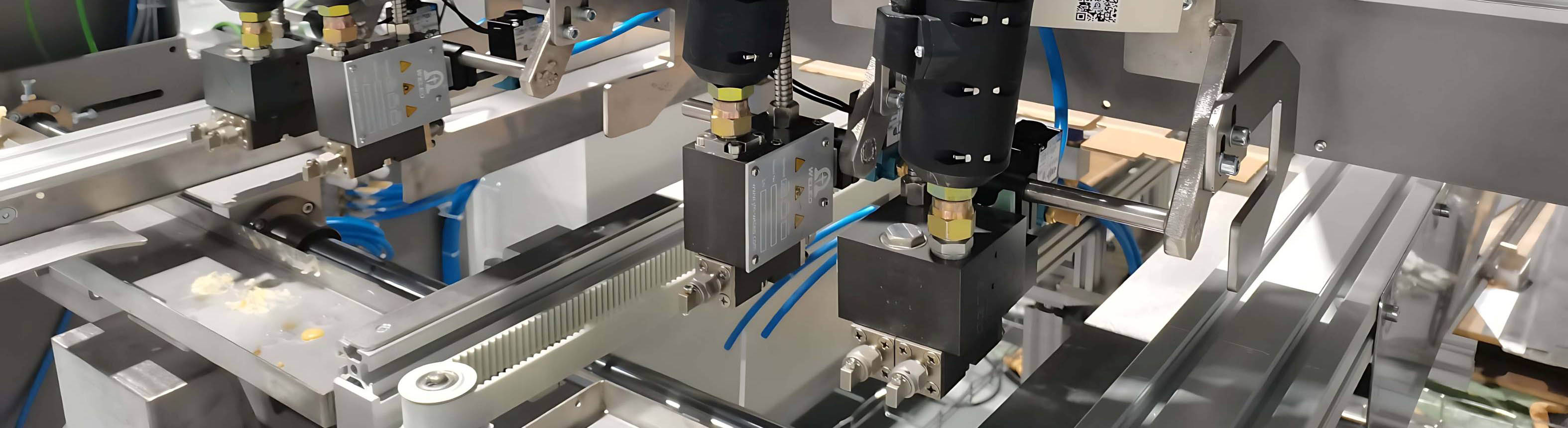
Why Is Adhesive Flow Inconsistent in Production?
Adhesive flow instability is one of the most overlooked risks in modern manufacturing lines. From packaging to electronics assembly, inconsistent glue output can directly affect bonding strength, product appearance, and overall production efficiency. Manufacturers often notice issues such as uneven coating, intermittent flow, or excessive adhesive usage, yet the root causes are usually multi-layered and require systematic analysis.
Industry data shows that up to 18 percent of bonding defects in automated production lines are linked to unstable adhesive delivery, according to a 2024 report by a European manufacturing process association. Another study from a North American packaging institute indicates that inefficient adhesive application can increase material consumption by 10 to 25 percent in high-speed lines. These figures highlight how critical adhesive flow consistency control is for maintaining both quality and cost efficiency.
Table of Contents
Key factors that cause adhesive flow inconsistency
Understanding the root causes is the first step toward a stable process. Adhesive flow is influenced by multiple interacting variables, including equipment design, material properties, and environmental conditions.
Pump system limitations
The pump is the core of any industrial glue dispensing system. When the pump cannot deliver a stable and repeatable flow rate, fluctuations become inevitable. Piston pumps may experience pressure variation under changing load conditions, while poorly calibrated gear pumps can lead to micro-level inconsistencies in output.
High precision gear pump systems are widely recognized for their ability to maintain steady flow. Research from a German fluid control institute shows that precision gear pumps can reduce flow deviation to less than 2 percent under stable operating conditions, compared to over 8 percent in traditional systems.
Temperature fluctuation
Adhesive viscosity is highly sensitive to temperature. Even a deviation of 5 degrees Celsius can significantly alter flow behavior, especially in hot melt application systems. When temperature control is not stable, the adhesive may become either too thick or too fluid, leading to inconsistent dispensing.
According to a thermal processing study published in 2023, maintaining temperature stability within plus or minus 1 degree Celsius can improve adhesive flow consistency by over 30 percent in automated systems.
Nozzle and pipeline issues
Clogging, wear, or improper nozzle design can disrupt flow patterns. Residue buildup inside hoses and nozzles increases resistance, which results in irregular output and pressure spikes.
Maintenance data from industrial production lines shows that more than 40 percent of adhesive flow issues originate from nozzle or pipeline contamination rather than the main equipment itself.
Pressure instability
Fluctuating air or hydraulic pressure directly affects adhesive output. Inconsistent pressure leads to irregular flow rates, especially in high-speed production environments.
Stable pressure control systems are essential for achieving uniform application, particularly in precision coating or bonding operations.
How to identify adhesive flow problems
Early detection of instability can prevent large-scale production defects. The following indicators are commonly observed when flow consistency is compromised:
| Indicator | Possible Cause | Impact on Production |
|---|---|---|
| Uneven glue lines | Pump inconsistency or nozzle blockage | Reduced bonding quality |
| Excess adhesive usage | Overcompensation in system settings | Increased material cost |
| Intermittent flow gaps | Pressure fluctuation | Product defects |
| Adhesive stringing | Temperature instability | Poor product appearance |
Monitoring these signs allows manufacturers to take corrective action before issues escalate.
Practical methods to stabilize adhesive flow
Achieving stable flow requires a combination of equipment optimization and process control. A well-designed glue system should address all key variables simultaneously.
Upgrade to precision pumping technology
Using a high precision gear pump ensures consistent output regardless of pressure variation. This is particularly important for applications requiring exact adhesive volume control.
Implement advanced temperature control
A stable heating system with accurate sensors can maintain adhesive viscosity within an optimal range. Modern systems integrate multi-zone temperature control to ensure uniform heat distribution across tanks, hoses, and nozzles.
Optimize system design
A well-integrated hot melt application system reduces flow resistance and minimizes dead zones where adhesive can degrade. Proper hose routing and nozzle selection also contribute to smoother flow.
Regular maintenance and calibration
Routine cleaning and calibration are essential. Data from industrial maintenance studies shows that scheduled system checks can reduce adhesive-related defects by more than 25 percent.
Intelligent control integration
Automation and PLC integration allow real-time adjustment of flow parameters. Smart systems can automatically compensate for minor variations, improving overall stability.
These combined strategies form an effective glue flow instability solution that supports consistent production output.
How WELEO improves adhesive flow consistency
WELEO focuses on delivering stable and efficient adhesive systems through engineering precision and practical application experience. Each system is designed with a clear understanding of real production challenges.
Precision gear pump technology ensures stable and repeatable flow performance, even under high-speed conditions. Advanced temperature control modules maintain consistent adhesive viscosity across the entire process. Integrated system design minimizes pressure loss and reduces the risk of clogging.
WELEO systems are developed to support seamless operation within automated production lines, offering compatibility with various control systems and flexible configuration options. This approach helps manufacturers maintain stable output while reducing material waste and downtime.
Long-term value of stable adhesive flow
Consistent adhesive flow is not only a technical requirement but also a strategic advantage. Stable systems improve product quality, reduce waste, and enhance overall production efficiency.
A manufacturing efficiency report from 2024 indicates that companies with optimized adhesive systems achieve up to 15 percent higher line efficiency and significantly lower defect rates. Over time, this translates into measurable cost savings and improved competitiveness.
Conclusion
Adhesive flow inconsistency is rarely caused by a single factor. It results from the interaction of equipment performance, temperature control, system design, and maintenance practices. Addressing these areas with a structured approach can significantly improve production stability.
WELEO provides solutions that combine precision engineering with practical reliability, helping manufacturers achieve consistent adhesive application and long-term operational efficiency.