





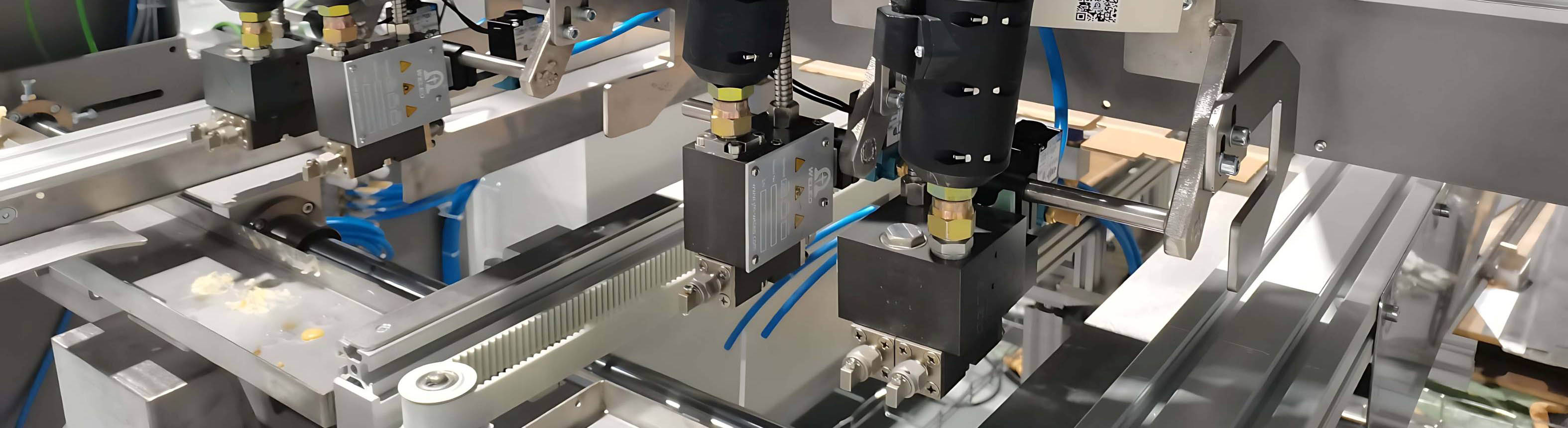
How to Reduce Adhesive Waste in Production?
Rising material costs and tighter quality targets have pushed adhesive usage under closer scrutiny. Excess glue does not just increase expenses. It creates contamination, affects product appearance, and adds cleaning time across the line. Many factories discover that adhesive waste is not caused by one mistake, but by small inefficiencies repeated thousands of times each shift.
A 2024 manufacturing report shows that inefficient adhesive application can raise material usage by 12 to 25 percent in high-speed lines. At the same time, improving process control can cut waste significantly without reducing bonding strength. This makes adhesive waste reduction methods a priority for modern production systems.
Table of Contents
Where adhesive waste usually comes from
Adhesive loss is often hidden inside normal operation. It appears in several forms that are not always obvious at first glance.
Over-application during dispensing
One of the most common sources of waste is applying more adhesive than required. This often happens when operators increase output to compensate for inconsistent flow or bonding concerns.
Startup and shutdown losses
During machine startup, adhesive output may not yet be stable. Excess glue is often applied until the system reaches the correct operating condition. Similar waste occurs during shutdown when adhesive remains in the system.
Inconsistent flow control
When the system cannot maintain stable pressure or temperature, glue output fluctuates. This leads to uneven application and forces operators to adjust settings, often resulting in overuse.
Spray and pattern inefficiency
Poor spray control or incorrect nozzle selection can cause overspray and material loss outside the bonding area.
How waste impacts production performance
Reducing adhesive waste is not only about saving material. It directly affects production efficiency and product quality.
| Impact Area | Effect of Excess Adhesive | Result |
|---|---|---|
| Material cost | Higher consumption per unit | Increased production cost |
| Product quality | Uneven bonding or residue | Rework and rejection |
| Equipment maintenance | More cleaning required | Increased downtime |
| Line efficiency | Frequent adjustments | Lower productivity |
Industry data indicates that optimizing adhesive usage can improve industrial adhesive efficiency by over 15 percent in automated lines.
Practical strategies to reduce adhesive waste
Improve dispensing accuracy
Accurate control of glue volume ensures that only the required amount is applied. Systems with precise flow regulation help avoid over-application and reduce variability.
A well-designed glue usage optimization system enables consistent output across different production speeds.
Stabilize temperature and pressure
Stable temperature keeps adhesive viscosity consistent, while stable pressure ensures uniform flow. Together, these factors reduce fluctuations that lead to excess usage.
Maintaining these parameters within a narrow range is essential for predictable performance.
Optimize nozzle selection and placement
Choosing the correct nozzle type and positioning it accurately helps deliver adhesive exactly where it is needed. This reduces overspray and material loss.
Regular inspection ensures that nozzle wear does not affect application precision.
Standardize operating procedures
Clear procedures for startup, shutdown, and cleaning reduce unnecessary waste. Controlled transitions prevent excess adhesive from being applied during unstable conditions.
Implement automation and monitoring
Automated systems can adjust parameters in real time, maintaining consistent application even when production conditions change. Monitoring tools help identify inefficiencies early and prevent waste from accumulating.
Role of system design in waste reduction
Equipment design plays a major role in minimizing adhesive loss. Systems that integrate precise flow control, stable heating, and efficient delivery paths naturally reduce waste.
WELEO develops adhesive solutions with a focus on efficiency and reliability. Its systems combine accurate pump technology, optimized thermal control, and intelligent integration to support consistent adhesive application.
This approach helps manufacturers reduce glue consumption cost while maintaining strong bonding performance.
Long-term benefits of reducing adhesive waste
Lower adhesive consumption leads to immediate cost savings, but the benefits extend further. Improved process stability reduces defects, shortens cleaning time, and increases overall production efficiency.
A 2024 industry study shows that companies implementing optimized adhesive systems reduced total material waste by up to 18 percent and improved output consistency significantly.
Conclusion
Adhesive waste is often the result of small inefficiencies across the entire production process. By improving dispensing accuracy, stabilizing system conditions, and optimizing equipment design, manufacturers can effectively minimize adhesive waste production.
WELEO provides solutions that support efficient and consistent adhesive application, helping production lines achieve better cost control and higher operational performance.
Previous: What Is a Piston Pump for Hot Melt?