





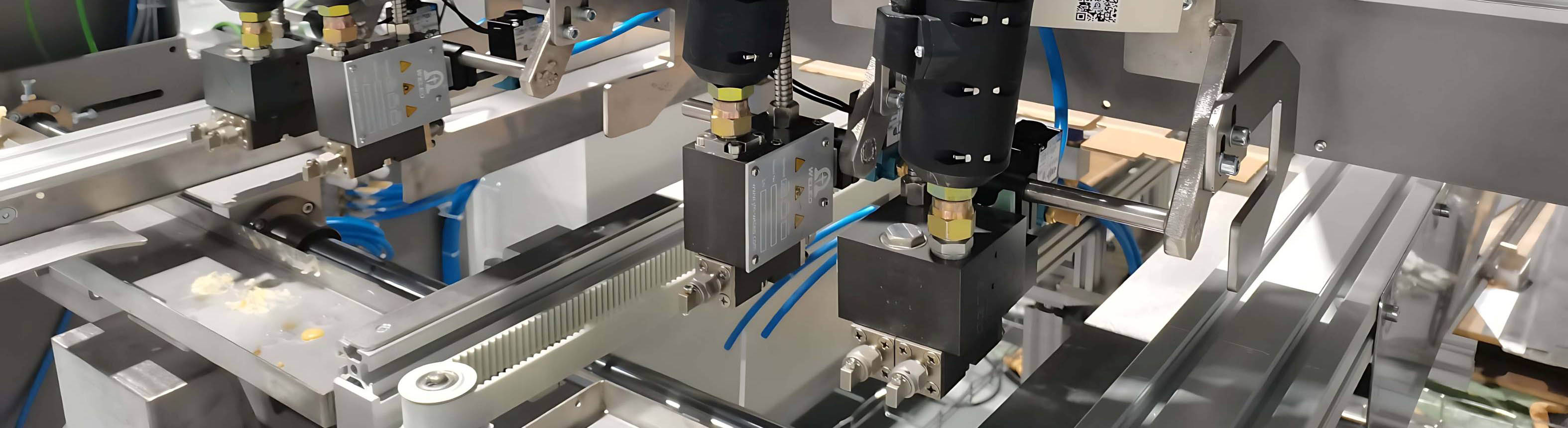
Why Is Temperature Control Important In Hot Melt Adhesive Systems?
Temperature determines how readily adhesive flows, how accurately it can be pumped, and how it behaves on the substrate. Heat variation between the tank, hose, and applicator changes viscosity, leading to unstable bead size, poor cut-off, weak wetting, stringing, or excess consumption.
Table of Contents
Temperature Changes More Than Viscosity
Hot melt must become fluid enough for delivery while retaining bonding properties. Insufficient heat increases resistance through filters, hoses, and nozzles. Excessive heat accelerates oxidation, odor, char formation, and performance loss.
hot melt temperature control must maintain the adhesive's process window during refill cycles, speed changes, cold starts, and planned stops.
Each Heating Zone Has a Separate Task
The tank melts and conditions adhesive. The manifold and pump establish supply, hoses prevent cooling, and the gun keeps material ready for application. These zones should be coordinated, but they do not always need identical setpoints.
Use the lowest approved temperatures that provide stable melting, transport, and application. Raising every zone to correct one cold point may hide a failed heater while overheating the remaining material.
Symptoms That Point to Thermal Drift
Temperature-related problems often appear as:
A bead changes after a stop or speed increase.
Pump pressure rises without a recipe change.
Spray coverage develops heavy and light areas.
The nozzle strings or fails to cut off cleanly.
Bond results differ between startup and steady running.
Compare temperature with pressure, timing, flow, and adhesive condition. stable temperature for hot melt removes one major variable and makes diagnosis faster.
Why a Stable Display Can Hide a Problem
The controller shows the value at its sensor, not every point along the adhesive path. Sensor position, calibration error, loose wiring, aged heaters, damaged insulation, and cold air near the nozzle may separate the displayed value from the real process.
Our commissioning checks cover warm-up by zone, refill recovery, and response at sustained output. The target is adhesive melting temperature stability under load, not a steady screen reading while idle.
Build a Repeatable Thermal Process
Document the adhesive grade and approved range. Set limits for the tank, hose, gun, and nozzle. Allow sufficient warm-up before enabling the pump, then confirm every zone is ready.
Record temperature, pressure, line speed, glue weight, and bond results at consistent intervals. Service filters before restricted flow encourages unnecessary heat adjustments. During pauses, use the recommended standby mode instead of holding adhesive at full temperature.
Protect the approved recipe. Uncontrolled changes create a cycle: higher pressure is answered with more heat, then thinner adhesive is answered with less pump output. Alarm limits help prevent drift.
Specify Capacity for Real Demand
Heater power, tank design, pump size, hose length, insulation, sensor type, and applicator demand influence recovery. Equipment that heats quickly while idle may lose control during continuous high-volume output.
WELEO evaluates the complete thermal path when configuring hot melt equipment. Matching heating capacity and control zones to consumption and production rhythm supports clean application, lower material stress, and predictable bonding at speed.