





How To Integrate Adhesive System With PLC?
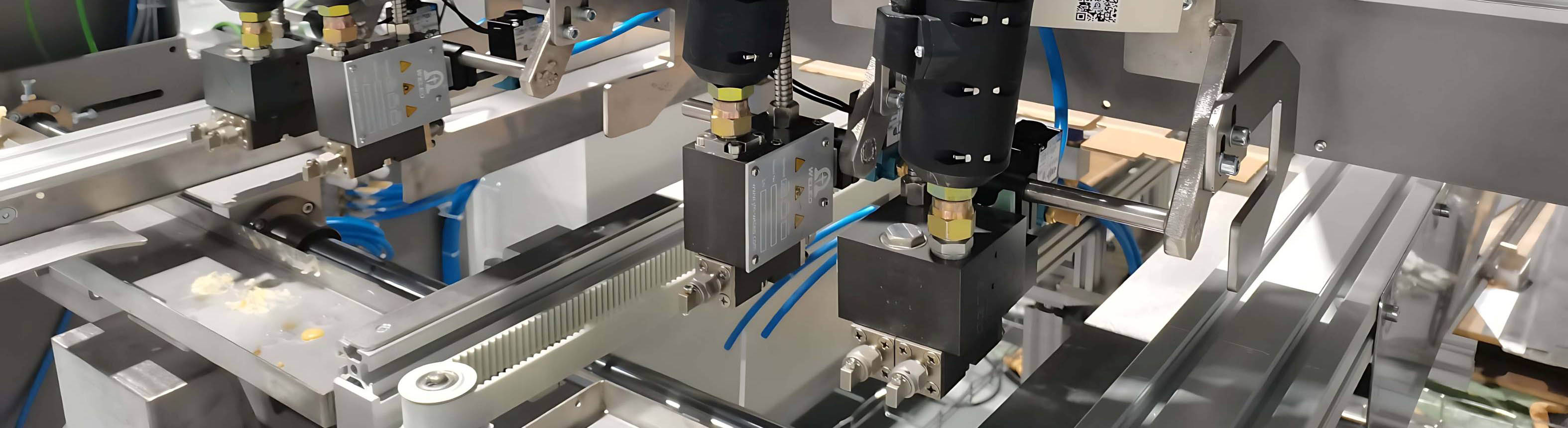
PLC integration allows an adhesive system to work together with an automatic production line. Instead of relying only on manual operation, the glue equipment can receive start signals, control glue output timing, match product movement, and respond to production speed. For packaging, coating, labeling, assembly, nonwoven, filter, and furniture production, adhesive system plc integration can improve accuracy and reduce manual adjustment.
WELEO supplies hot melt adhesive equipment, piston pump systems, precision gear pump systems, metered spray dispensing systems, PUR hot melt systems, and cold glue dispensing systems. Many of these machines can be configured to match automatic production requirements, including signal control, temperature control, pump control, and glue application timing.
Table of Contents
- Why PLC Integration Matters
- Basic Signals Needed For Integration
- Confirm The Application Method First
- Match Glue Output With Line Speed
- Temperature Ready Control Protects Equipment
- Alarm Feedback Helps Reduce Downtime
- Mechanical Layout Is Also Important
- What Buyers Should Prepare Before Integration
- WELEO Support For Automatic Glue Systems
- Practical Value Of PLC Integrated Adhesive Equipment
Why PLC Integration Matters
In an automatic line, adhesive output must follow product position and production rhythm. If the glue system starts too early, glue may be applied outside the bonding area. If it starts too late, the product may not bond correctly. If the machine cannot follow speed changes, glue amount may become unstable.
Industrial automation glue system integration helps connect adhesive equipment with sensors, encoders, PLC controllers, and main production machines. This allows glue application to become part of the whole production process instead of a separate manual step.
Basic Signals Needed For Integration
Most adhesive systems require several key signals for automatic control. The exact design depends on the production line, but common signals include machine start, machine stop, glue gun trigger, temperature ready, alarm output, pump status, and speed feedback.
| Signal Type | Function | Practical Value |
|---|---|---|
| Start signal | Starts glue system operation | Matches main production line |
| Stop signal | Stops glue output safely | Reduces glue waste |
| Trigger signal | Controls glue gun opening | Improves glue position accuracy |
| Alarm signal | Reports system faults | Helps operators react faster |
| Ready signal | Confirms temperature status | Prevents cold glue output |
| Speed signal | Follows production speed | Supports stable glue amount |
These signals help create a smart control system for adhesive application.
Confirm The Application Method First
Before designing PLC integration, the adhesive process must be clear. A carton sealing line may only need line glue at fixed positions. A labeling line may need short glue patterns. A coating line may require continuous flow. A spray system may need timed or metered output.
The application method decides how the PLC should control the glue system. For example, intermittent dispensing needs accurate trigger timing. Continuous coating needs stable pump speed and flow control. Metered spray may need synchronized pressure, pump speed, and nozzle movement.
WELEO reviews the application process before recommending control logic, because the same adhesive machine may need different PLC settings in different production environments.
Match Glue Output With Line Speed
Production speed is one of the most important integration details. When line speed changes, glue output may need to change at the same time. Otherwise, slow speed may create excessive glue, while high speed may create insufficient bonding.
For precision gear pump systems, speed control can be linked with production speed to improve glue amount stability. For piston pump systems, pressure and trigger control should be adjusted according to actual output needs. For spray systems, air pressure, adhesive pressure, and trigger timing should work together.
This is why adhesive system automation integration should include both electrical signals and process data.
Temperature Ready Control Protects Equipment
Hot melt adhesive must reach the correct working temperature before pump startup and glue output. If the pump starts before glue is fully melted, the system may face high resistance and possible pump damage. PLC integration can include a temperature ready signal, allowing the main machine to start glue application only after the adhesive system is prepared.
This is especially important for PUR hot melt systems, because PUR adhesive needs stable temperature and proper sealing. Poor startup control can increase material waste and maintenance risk.
Alarm Feedback Helps Reduce Downtime
A good PLC integration plan should not only send commands to the adhesive system. It should also receive feedback from the glue equipment. Alarm signals can help operators find problems earlier, such as low temperature, over-temperature, pump fault, low glue level, hose heating failure, or pressure abnormality.
When alarm feedback is connected to the main line, the production system can stop or slow down before large batches of defective products are produced. This reduces rework and protects bonding quality.
Mechanical Layout Is Also Important
Electrical control alone cannot solve all integration problems. The position of the melter, hose routing, nozzle distance, gun mounting angle, and product movement path also affect glue application results.
Hoses should not be too long without need. Nozzles should be installed in a stable position. The glue application point should match product location accurately. The equipment should allow convenient maintenance access.
WELEO can review layout requirements based on machine drawings, production photos, or process videos. This helps reduce installation risk before delivery.
What Buyers Should Prepare Before Integration
To integrate glue system with plc smoothly, factories should prepare clear production information. This includes adhesive type, working temperature, line speed, product size, glue pattern, glue amount, sensor position, control voltage, and available machine space.
Useful information includes:
Production line drawing
Glue application position
Required glue width or dot size
Main machine speed range
PLC signal type
Hose and gun quantity
Working shift schedule
Adhesive technical data
With this information, equipment configuration can be more accurate.
WELEO Support For Automatic Glue Systems
WELEO provides adhesive application solutions for industrial production lines that require stable glue output and automation matching. Our systems can be planned with different pump types, hose quantities, spray heads, gun stations, temperature zones, and control functions according to the application.
For customers upgrading from manual glue application to automatic adhesive control, PLC integration can reduce labor dependence and improve repeatability. For customers already using automatic lines, better glue system communication can reduce stoppage, glue waste, and bonding defects.
Practical Value Of PLC Integrated Adhesive Equipment
A properly integrated adhesive system improves more than machine operation. It helps production teams control glue position, reduce waste, protect pumps, manage alarms, and keep bonding quality more consistent across long production runs.
WELEO can help review your adhesive process, control signal requirements, machine layout, and production speed, then recommend a suitable glue equipment configuration for automatic line integration.