





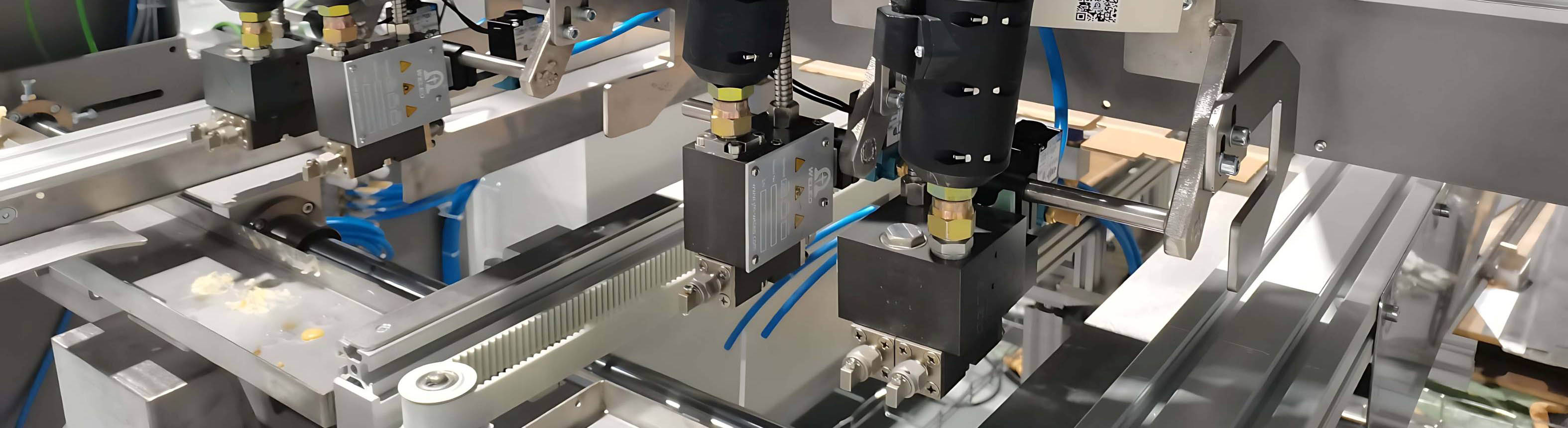
How To Maintain An Adhesive Pump System?
Proper adhesive pump maintenance system planning can protect glue output stability and reduce unexpected downtime. The pump is the core part of many hot melt and cold glue systems. When it works well, adhesive flows smoothly, pressure remains stable, and the final bonding result stays consistent. When it is ignored, problems such as pressure fluctuation, leakage, noise, poor glue output, or pump wear may appear quickly.
WELEO provides piston pump hot melt equipment, precision gear pump systems, PUR hot melt adhesive systems, metered spray systems, and cold glue dispensing systems. In all these applications, pump maintenance should be treated as a regular production task, not only an emergency repair action.
Table of Contents
- Start With The Correct Pump Selection
- Daily Checks Before Production
- Keep Glue Clean Before It Reaches The Pump
- Control Temperature To Protect Pump Life
- Watch Pressure Changes During Operation
- Cleaning Method Should Match Adhesive Type
- Spare Parts Planning For Continuous Production
- Training Operators To Identify Early Problems
- More Stable Pump Operation With Better Process Control
Start With The Correct Pump Selection
Maintenance becomes easier when the pump is correctly selected from the beginning. A piston pump is suitable for many general hot melt adhesive applications and can provide strong pressure for intermittent glue output. A gear pump is more suitable for high-precision glue dispensing where stable flow and accurate output are required.
If the adhesive viscosity is too high for the selected pump, the pump will work under stress. If the production speed is higher than the pump capacity, pressure may become unstable. If the adhesive contains impurities, internal wear may increase. Correct selection reduces later maintenance pressure.
Daily Checks Before Production
Before starting production, operators should check machine temperature, pump pressure, hose heating, glue level, filter condition, and any visible leakage. These checks take little time but can prevent larger problems.
For hot melt systems, the pump should not start before adhesive is fully melted. Starting too early can damage internal parts because semi-melted glue creates high resistance. For cold glue systems, operators should confirm glue fluidity and avoid dried glue entering the pump.
| Check Item | Normal Condition | Risk When Ignored |
|---|---|---|
| Pump pressure | Stable during operation | Uneven glue output |
| Pump noise | Smooth and regular | Internal wear or blockage |
| Glue temperature | Within process range | Glue charring or poor flow |
| Filter condition | Clean and open | Nozzle blockage |
| Seal area | No leakage | Glue loss and safety risk |
| Hose heating | Stable temperature | Flow interruption |
Keep Glue Clean Before It Reaches The Pump
Many glue pump maintenance guide problems start with contaminated adhesive. Dust, packaging fragments, cured glue, or carbonized particles can enter the pump and damage internal components. Filters help, but they should not be the only protection.
Glue should be stored in sealed packaging. Operators should avoid leaving glue bags or blocks open in dusty environments. For PUR adhesive, moisture control is especially important. Once PUR begins to react, hardened material may block the pump or damage the system.
Clean glue supply reduces pump load and keeps output more consistent.
Control Temperature To Protect Pump Life
Temperature has a direct effect on pump maintenance. When the glue temperature is too low, viscosity increases and the pump needs more force to move adhesive. When temperature is too high, glue may degrade and form carbonized residue. Both situations can increase maintenance needs.
A stable adhesive pump maintenance system should include correct temperature zones for tank, hose, and applicator. The pump area should also be heated properly when required. Sudden temperature changes should be avoided during production startup and shutdown.
WELEO equipment is designed with controlled heating zones to support stable adhesive flow and reduce pressure fluctuation during long working hours.
Watch Pressure Changes During Operation
Pressure is one of the best signals for pump condition. When pressure suddenly rises, the system may have a blockage in the hose, filter, or nozzle. When pressure drops, there may be leakage, insufficient glue supply, pump wear, or air entering the system.
Operators should record normal working pressure under stable production conditions. Once the pressure moves outside the normal range, they can check the system before product defects appear.
A simple pressure record helps identify:
Filter blockage
Nozzle clogging
Pump wear
Glue viscosity change
Hose heating failure
Insufficient adhesive supply
Cleaning Method Should Match Adhesive Type
Different adhesives require different cleaning methods. EVA hot melt, pressure sensitive adhesive, PUR adhesive, and cold glue cannot be maintained with one fixed method. PUR systems require extra care because cured PUR is difficult to remove once it reacts with moisture.
For hot melt systems, cleaning should be performed before old glue becomes carbonized. Filters and nozzles should be cleaned or replaced according to production load. For cold glue systems, dried glue should not remain inside pump channels after production stops.
A clear cleaning standard can reduce repair cost and extend pump service life.
Spare Parts Planning For Continuous Production
Factories should prepare common spare parts according to machine type and working frequency. Seals, filters, nozzles, heating elements, sensors, and pump-related wearing parts should be available when production is important. Waiting for small parts can stop a whole production line.
WELEO can provide spare part suggestions based on adhesive type, pump model, machine configuration, and daily working hours. This helps factories reduce downtime and keep industrial glue pump service more predictable.
Training Operators To Identify Early Problems
Many pump problems give early signals before failure. Strange noise, unstable pressure, slower output, glue leakage, or repeated nozzle blockage should not be ignored. Operators should know how to report these signs and stop the machine safely when needed.
Good training reduces wrong operation. For example, starting the pump too early, overheating adhesive, mixing different glues, or skipping filter cleaning can all shorten pump life.
More Stable Pump Operation With Better Process Control
An adhesive pump system works best when machine selection, glue quality, temperature, pressure, and cleaning are controlled together. Maintenance should be planned as part of production management, not treated as a separate repair task.
WELEO supports factories with adhesive equipment selection, system configuration, operation guidance, and spare part planning. Share your adhesive type, glue amount, production speed, and application process with our team, and we can help build a more stable pump solution for your manufacturing line.