





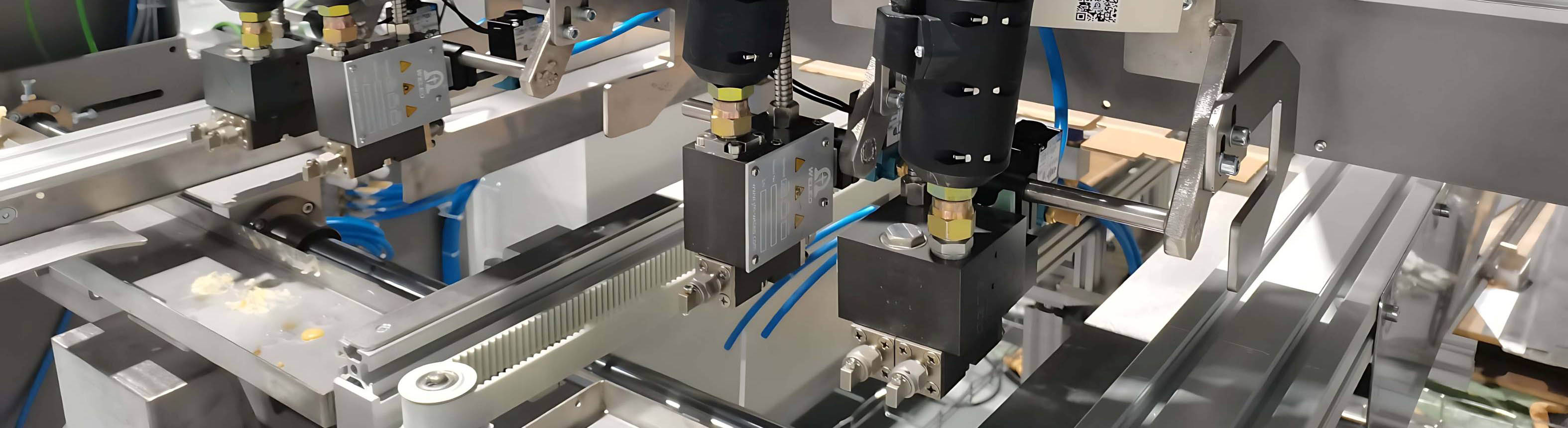
How to Improve Adhesive Application Stability?
Stable adhesive output is a foundation for consistent product quality, especially in high-speed manufacturing environments. When glue application becomes unstable, the result is often uneven bonding, excessive material usage, and frequent line adjustments. Improving stability requires more than adjusting one parameter. It depends on how the entire system is designed, controlled, and maintained.
A 2024 manufacturing efficiency report shows that production lines with optimized adhesive systems reduced defect rates by over 20 percent compared to lines with unstable flow conditions. Another industry study indicates that inconsistent adhesive application can increase rework and scrap by up to 15 percent, particularly in automated packaging and assembly processes.
Table of Contents
Why adhesive application becomes unstable
Before solving the issue, it is necessary to identify what causes instability. In most cases, instability comes from small variations that accumulate over time.
Temperature fluctuation changes adhesive viscosity, leading to inconsistent flow. Pressure variation affects how much adhesive is delivered at each cycle. Equipment wear alters response accuracy, while contamination disrupts flow paths. These factors often interact, making the problem more complex than it appears.
When these variables are not properly controlled, even advanced systems struggle to maintain a stable adhesive application system.
Key areas that determine application stability
Improving stability requires attention to several core elements. Each one plays a specific role in maintaining consistent output.
Flow control accuracy
Precise flow control ensures that the same amount of adhesive is delivered every time. Systems with poor control often produce irregular glue lines or inconsistent coating thickness.
Implementing effective glue dispensing stability control helps maintain repeatable output even under changing production speeds.
Temperature consistency
Adhesive viscosity depends heavily on temperature. If the system cannot maintain a stable thermal profile, flow consistency will suffer.
Maintaining temperature variation within a narrow range helps ensure predictable adhesive behavior throughout the process.
Pressure stability
Pressure fluctuations directly affect adhesive delivery. Stable pressure allows for smooth and continuous flow, while instability leads to uneven application.
Reliable pressure regulation is essential for achieving uniform bonding results.
Equipment condition
Worn components, blocked nozzles, and contaminated hoses can disrupt flow patterns. Regular inspection and maintenance are necessary to prevent performance degradation.
Practical strategies to improve stability
A structured approach is required to achieve long-term improvement. The following strategies are widely used in industrial environments.
Optimize system configuration
Selecting the right equipment for the application is critical. A well-designed industrial adhesive solution matches pump type, heating system, and applicator design to the specific production requirements.
Proper configuration reduces the need for constant adjustments and improves baseline stability.
Implement integrated control systems
Modern adhesive systems use integrated control to manage temperature, pressure, and flow simultaneously. This coordinated control improves responsiveness and reduces variation.
Automation also enables real-time monitoring and adjustment, which helps maintain stable operation.
Standardize operating procedures
Clear procedures for startup, shutdown, and maintenance reduce variability caused by human factors. Consistent practices ensure that the system operates within its optimal range.
Improve material handling
Proper storage and handling of adhesive materials prevent contamination and degradation. Clean input materials contribute to stable output performance.
Monitoring and performance evaluation
Stability improvement requires continuous monitoring. Key performance indicators should be tracked to identify trends and detect issues early.
| Indicator | Target Condition | Benefit |
|---|---|---|
| Flow rate variation | Minimal fluctuation | Consistent bonding quality |
| Temperature deviation | Within narrow range | Stable viscosity |
| Pressure stability | Constant output | Uniform application |
| Defect rate | Reduced occurrence | Lower rework cost |
Regular analysis of these indicators helps maintain control over the process.
How WELEO supports stable adhesive application
WELEO develops systems designed to address real production challenges. Its solutions focus on delivering consistent performance through precise engineering and reliable control.
Advanced pump technology ensures accurate flow delivery, while optimized heating systems maintain stable adhesive temperature. Integrated control modules coordinate pressure, temperature, and flow to achieve stable adhesive flow control.
These design features help manufacturers reduce variability, improve efficiency, and maintain consistent product quality across different applications.
Long-term benefits of improved stability
Improving adhesive application stability brings measurable advantages. Consistent output reduces material waste, improves bonding reliability, and minimizes production interruptions.
Industry data shows that optimized systems can increase overall line efficiency by up to 15 percent while significantly reducing maintenance frequency.
Over time, these improvements contribute to better cost control and stronger production performance.
Conclusion
Adhesive application stability is the result of coordinated control across multiple system components. Temperature, pressure, flow, and equipment condition must all be managed together to achieve consistent results.
By focusing on system design, control integration, and proper maintenance, manufacturers can significantly improve application stability. WELEO provides solutions that support this goal, helping production lines operate with greater precision and reliability.