





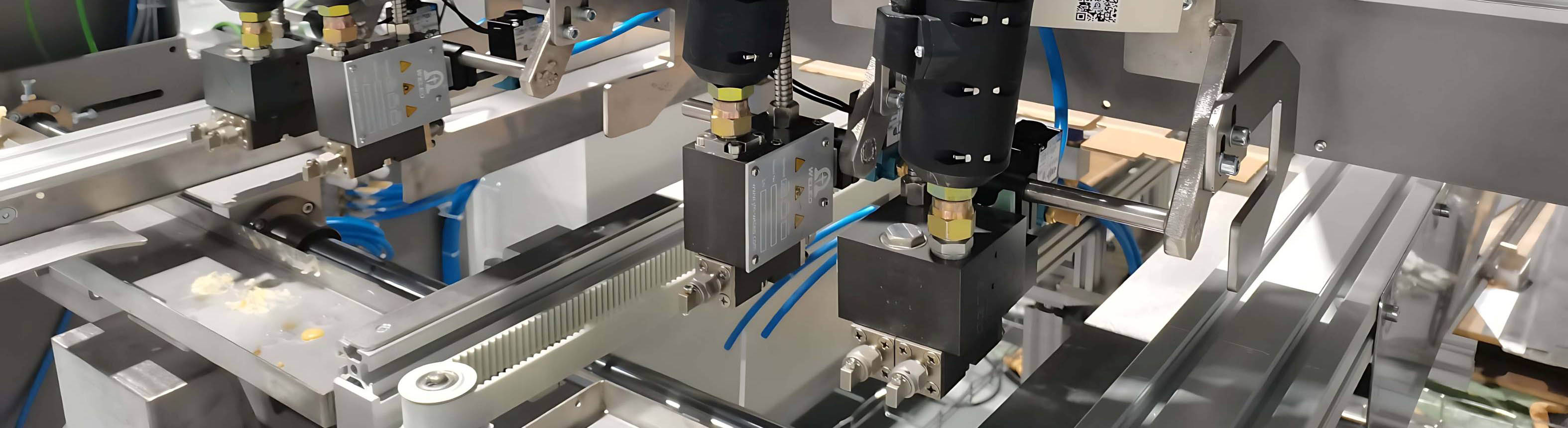
Cold Gluing Pump Systems for Paper Packaging Lines
In the paper packaging industry, cold gluing pump systems are essential for achieving high-quality bonding without the need for heat or complex melting equipment. These systems use water-based or solvent-based adhesives that are pumped and applied at room temperature, offering an eco-friendly and cost-effective alternative to hot melt systems. Cold gluing is widely used for carton boxes, paper bags, envelopes, and bookbinding, where clean adhesive lines and strong adhesion are required.
This article explains how cold gluing pump systems work, their main components, advantages, and applications in modern packaging lines.
Table of Contents
What Is a Cold Gluing Pump System
A cold gluing pump system is a device that delivers liquid adhesive under controlled pressure from a storage tank to the application point. It uses either piston, diaphragm, or gear pumps to maintain steady adhesive flow. The adhesive—typically PVA (polyvinyl acetate), dextrin, or casein-based glue—is kept at a consistent viscosity without heating.
| Component | Function |
|---|---|
| Pump (Piston or Diaphragm) | Transfers adhesive with steady pressure |
| Adhesive Tank | Holds and Filters liquid glue |
| Hose and Applicator | Delivers glue precisely to the paper surface |
| Control System | Regulates flow rate and application pressure |
Cold gluing systems are ideal for paper-based materials, ensuring clean bonding without damaging sensitive substrates or affecting ink coatings.
How the System Works
Adhesive Supply and Filtration The adhesive is stored in a sealed tank to prevent contamination. A built-in filter removes impurities, ensuring smooth flow through the pump and hoses.
Pumping Mechanism The pump—either pneumatic diaphragm or piston-driven—pushes the adhesive through flexible hoses. Flow control valves adjust pressure to maintain consistent output.
Application Process The adhesive is applied through Nozzles, rollers, or slot applicators, depending on the production setup. Operators can control pattern width, coating thickness, and glue quantity with high precision.
Drying and Bonding After application, the adhesive begins to evaporate water or solvent, forming a strong bond as the glue dries. The process produces durable adhesion with minimal odor or residue.
Advantages of Cold Gluing Pump Systems
1. Eco-Friendly and Energy Efficient
Cold gluing does not require heating, significantly reducing energy consumption compared to hot melt systems. The use of non-toxic, water-based adhesives also makes it safer for workers and environmentally friendly for packaging production.
2. Cost-Effective Operation
Without heaters, temperature sensors, or melt tanks, cold gluing systems have lower equipment and maintenance costs. They are ideal for packaging lines that need reliable bonding with minimal investment.
3. Gentle on Paper and Print
Since the adhesive is applied at room temperature, it does not warp, discolor, or deform the paper surface. This ensures high-quality finishes in printed cartons, laminated boxes, and coated packaging materials.
4. Flexible Application Control
Cold gluing systems can be easily adjusted for spot gluing, line gluing, or full-surface coating. Operators can fine-tune flow pressure and nozzle size to match the viscosity and drying rate of different adhesives.
5. Low Maintenance and Long Service Life
Because there is no heat exposure or carbon buildup, system components such as hoses and nozzles have longer lifespans. Regular cleaning with water or mild solvent keeps the system running efficiently.
Applications in Paper Packaging
Cold gluing pump systems are widely used in industries that rely on paper-based or laminated packaging. Typical applications include:
Folding Cartons: Precise line gluing for food, beverage, and cosmetic boxes.
Paper Bags and Envelopes: Fast drying with clean, uniform adhesive seams.
Bookbinding: Consistent glue layers for cover lamination and spine bonding.
Corrugated Packaging: Edge and flap gluing for stability and stacking strength.
Stationery and Label Production: Clean, non-marking glue lines for aesthetic products.
The systems can be integrated into semi-automatic or fully automated production lines, supporting high-speed operations with consistent adhesive output.
Comparison: Cold Gluing vs. Hot Melt Systems
| Feature | Cold Gluing Pump System | Hot Melt Adhesive System |
|---|---|---|
| Operating Temperature | Room temperature | 120–180°C |
| Adhesive Type | Water-based (PVA, casein, dextrin) | Thermoplastic (EVA, PUR) |
| Energy Consumption | Low | High |
| Setup Time | Short | Longer preheating required |
| Maintenance | Simple cleaning | Requires heater and filter care |
| Bond Strength | Excellent for paper | Excellent for multi-materials |
| Ideal For | Cartons, books, envelopes | Plastic, wood, metal substrates |
Cold gluing systems are particularly suited for paper and cardboard, while hot melt systems are preferred for mixed or non-porous materials. Many modern factories now use both technologies, depending on product requirements.
Integration with Modern Packaging Lines
Today’s cold gluing pump systems come equipped with digital control modules, flow sensors, and automatic pressure adjustments, allowing them to operate synchronously with folding, cutting, and printing machinery. This ensures precise glue placement and consistent quality across thousands of units per hour.
They can also be customized for multi-point gluing, automatic cleaning, and variable speed synchronization, which improves production efficiency while maintaining clean, precise bonding.
Conclusion
Cold gluing pump systems remain an indispensable solution for paper packaging lines seeking clean, efficient, and eco-friendly adhesive application. With accurate control, easy maintenance, and compatibility with a variety of adhesives, these systems provide both economic and environmental benefits for modern manufacturers.
For reliable and customizable cold gluing systems, Weleo offers advanced adhesive equipment designed for packaging, paper converting, and automation industries, helping manufacturers achieve long-lasting performance and consistent production quality.