





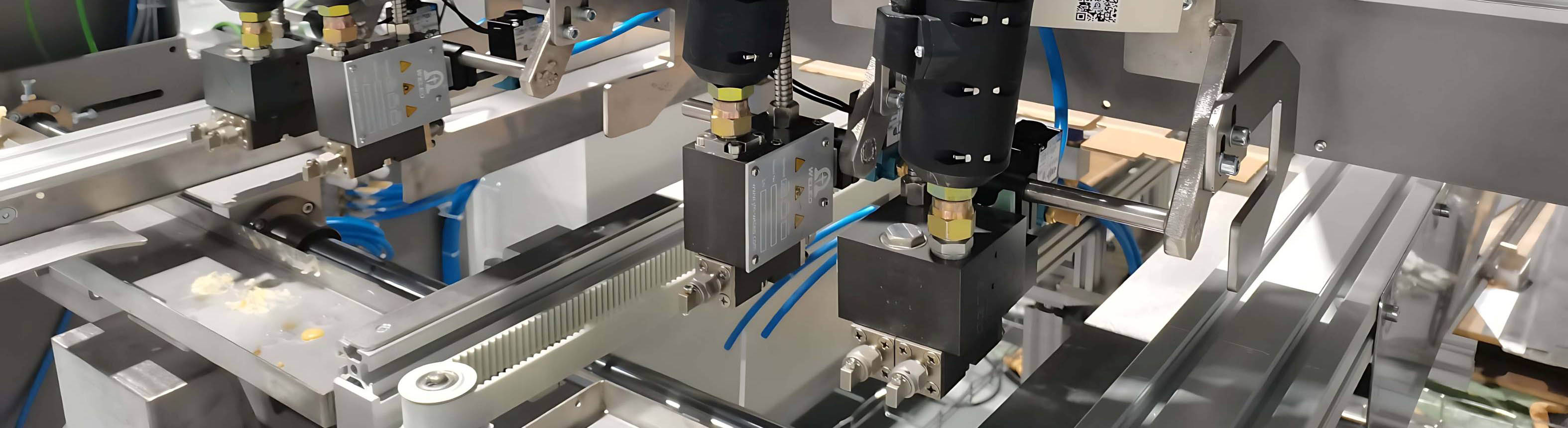
How Does Adhesive System Improve Efficiency?
Factory efficiency is often discussed through machine speed, labor cost, and production capacity. Adhesive application is sometimes treated as a small process, but unstable glue control can slow the whole line. An adhesive application efficiency system improves production by reducing manual adjustment, lowering glue waste, shortening cleaning time, and keeping bonding results consistent during long shifts.
Table of Contents
- Efficiency Begins With Less Rework
- Stable Temperature Reduces Random Adjustment
- Accurate Dispensing Saves Adhesive
- Better Signal Control Supports Higher Line Speed
- Filtration Keeps The Line Running Longer
- Labor Efficiency Also Improves
- How WELEO Supports Efficiency Improvement
- Efficiency Is Built Through Control, Not Guesswork
Efficiency Begins With Less Rework
When glue is applied too much, the product may need cleaning or may be rejected. When glue is applied too little, bonding strength may fail. When glue position shifts, operators must stop the line and adjust.
A stable adhesive system helps reduce these repeated interruptions.
Typical efficiency losses include:
Product rejection from overflow
Weak bonding complaints
Nozzle cleaning downtime
Manual glue correction
Extra adhesive consumption
Slower line speed to avoid defects
Maintenance caused by carbon buildup
A good industrial glue optimization system controls these hidden losses. It does not only make the machine faster. It makes the line more stable at the speed it should run.
Stable Temperature Reduces Random Adjustment
Hot melt adhesive viscosity changes with temperature. When the tank, hose, and applicator do not maintain stable heat, glue output changes during production. Operators may increase pressure, adjust temperature, or slow the line. These actions consume time and often create new problems.
A controlled heating path keeps adhesive flow more predictable. Stable temperature supports cleaner glue lines, better wetting, and fewer nozzle issues.
Temperature control also helps reduce carbonization. Overheated adhesive can create particles that block filters and nozzles. Once blockage begins, downtime increases. For factories with long shifts, this maintenance cost can be more serious than the adhesive cost itself.
Accurate Dispensing Saves Adhesive
Adhesive cost is not only the purchase price of glue. Waste also comes from over-application, cleaning, rejected products, and downtime. A production efficiency glue system should apply the required amount, not the maximum amount.
When glue output becomes repeatable, factories can reduce extra safety margins. This is especially useful in packaging, labeling, hygiene products, filter assembly, and product bonding.
| Efficiency Point | Problem Without Control | Improvement From Stable System |
|---|---|---|
| Glue amount | Too much adhesive used | Lower waste per product |
| Glue position | Shifted bonding area | Fewer rejected pieces |
| Nozzle condition | Frequent clogging | Shorter cleaning time |
| Temperature | Viscosity fluctuation | More stable output |
| Pressure | Heavy and light glue spots | Better consistency |
Even small adhesive savings become meaningful when the production line runs thousands of products per hour.
Better Signal Control Supports Higher Line Speed
Automated adhesive systems connect with sensors, encoders, PLCs, or other machine signals. When signal control is accurate, the applicator opens and closes at the correct product position.
Without accurate timing, factories may reduce line speed to keep glue from shifting. With better control, the line can run closer to its planned speed while maintaining bonding quality.
This is especially important when product length changes, conveyor speed changes, or multiple glue points are used on one product. A flexible control system can reduce changeover time and make production planning easier.
Filtration Keeps The Line Running Longer
Filter maintenance may seem like a small point, but it has a direct effect on efficiency. Dirty adhesive can block nozzles, damage pumps, and create uneven output. Once the nozzle blocks, the operator must stop production.
Proper filtration protects the pump and applicator. It also improves glue pattern stability. For hot melt systems, filtration works together with temperature control to reduce the impact of carbon particles and unmelted material.
Good maintenance access also matters. If the filter is difficult to replace, the line stays down longer. A practical adhesive system should make routine maintenance simple.
Labor Efficiency Also Improves
A stable adhesive system reduces operator workload. The team does not need to constantly adjust temperature, pressure, and nozzle position. This helps production managers standardize operation across shifts.
Clear controls, stable parameters, and easy maintenance reduce dependence on one experienced operator. New workers can follow set values and maintenance routines more easily. This improves factory management, especially when several lines are running at the same time.
How WELEO Supports Efficiency Improvement
WELEO provides Hot Melt Adhesive Supply Units, pur reactive hot melt systems, cold glue dispensing systems, Heated Hoses, nozzles, filters, and related application components. These parts can be configured according to line speed, adhesive type, glue pattern, and production stability needs.
For factories planning to improve glue application efficiency, equipment matching is more important than buying isolated parts. Pump stability, temperature control, nozzle selection, filtration, and signal response should work as one system.
Efficiency Is Built Through Control, Not Guesswork
Adhesive system efficiency comes from repeatable control. Stable heating reduces viscosity changes. Accurate pumping reduces glue waste. Better nozzles improve application quality. Clean filtration reduces downtime. Proper signal control keeps glue in the right position.
When the adhesive process becomes predictable, the whole production line becomes easier to manage. Factories can reduce rework, use adhesive more efficiently, keep output stable, and improve productivity without relying on constant manual correction.