





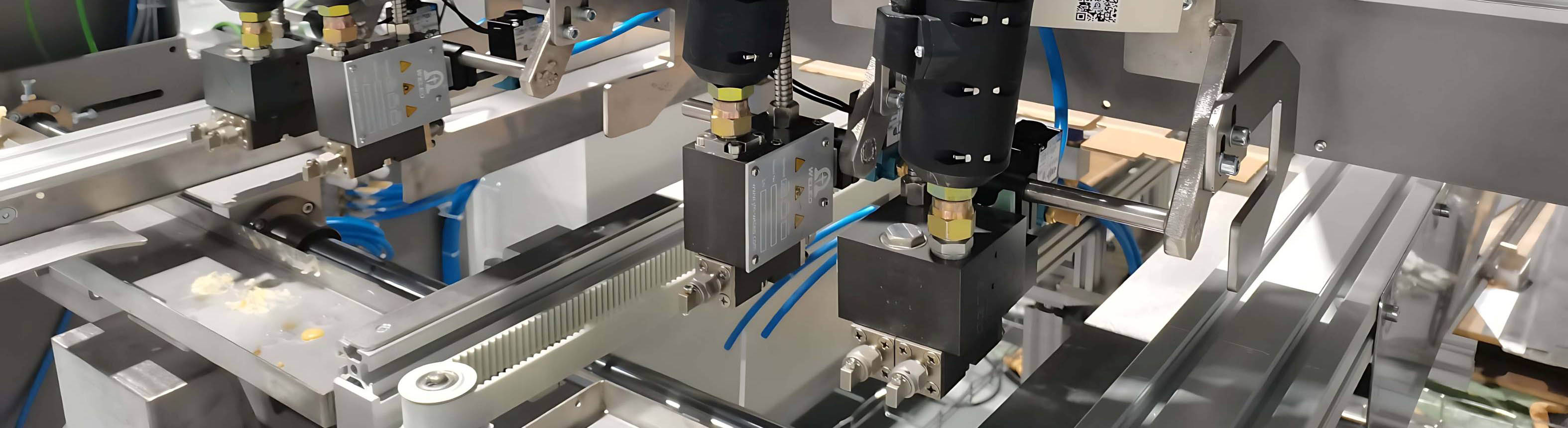
Importance of Packaging Supply Melters in Food Industry
In the food packaging sector, efficiency, hygiene, and precision are non-negotiable. Packaging supply melters play an essential role in maintaining these standards by providing a continuous, stable supply of hot melt adhesive for sealing, labeling, and carton forming. Whether applied to beverage boxes, frozen food trays, or snack pouches, a reliable melter ensures that every package is perfectly sealed and contamination-free.
This article explains how packaging supply melters work, why they are critical in the food industry, and how they help manufacturers achieve both safety and productivity.
Table of Contents
What Is a Packaging Supply Melter
A packaging supply melter is a thermal adhesive system designed to melt, pressurize, and deliver hot melt adhesive to applicators such as glue guns or coating heads. It ensures that the adhesive remains at the optimal viscosity and temperature for precise, continuous bonding.
| Component | Function |
|---|---|
| Melting Tank | Heats and liquefies solid or pellet adhesives |
| Pump System | Transfers adhesive to Hoses and guns under stable pressure |
| Temperature Controller | Regulates consistent heating to prevent degradation |
| Filter and Hose Interface | Removes impurities and delivers clean adhesive flow |
In food packaging lines, these melters are often integrated into automated systems that handle thousands of boxes or cartons per hour, ensuring consistent, high-quality sealing.
How Packaging Supply Melters Work
Adhesive Loading and Melting The operator loads hot melt pellets or blocks into the melter’s tank. Heating elements gradually melt the adhesive, maintaining temperatures between 120°C and 180°C, depending on formulation.
Filtration and Pumping Once melted, the adhesive passes through a filter mesh that removes charred particles or contaminants. The built-in gear or piston pump then pushes the clean adhesive toward the applicator at steady pressure.
Precise Temperature Control Sensors continuously monitor the temperature at multiple points—tank, pump, and hose—to ensure stable viscosity. This prevents issues such as uneven flow or glue stringing during high-speed sealing.
Application to Packaging The adhesive is delivered through hoses to guns, slot coaters, or swirl applicators, applying the correct amount of glue to carton flaps, trays, or labels for strong and hygienic sealing.
Why They Are Vital for Food Packaging
1. Ensuring Hygiene and Food Safety
Food packaging must be airtight, tamper-proof, and contamination-free. A high-quality melter prevents carbon buildup or adhesive oxidation that can compromise seal integrity. Advanced designs include closed systems that protect the adhesive from dust or moisture exposure.
2. Consistent Seal Strength
Stable temperature and pressure control guarantee that every adhesive line or dot is identical, preventing under- or over-gluing. This uniformity is essential for frozen, refrigerated, or vacuum-sealed packaging, where airtight performance determines shelf life.
3. Reduced Production Downtime
Modern packaging supply melters include automatic temperature recovery and filter cleaning systems, allowing continuous operation during long production shifts. Reduced clogging and stable flow mean fewer stoppages and higher throughput.
4. Energy Efficiency
With insulated tanks and smart heating zones, melters consume less power while maintaining stable output. Some systems automatically lower temperature during idle periods to save energy and prevent adhesive degradation.
5. Compatibility with Food-Grade Adhesives
These melters handle EVA, polyolefin, and metallocene hot melt adhesives, all of which are food-safe and compliant with FDA and EU standards. They can also be configured for bio-based adhesives, supporting eco-friendly packaging goals.
Applications in the Food Industry
Packaging supply melters are used throughout food and beverage production lines:
Carton Sealing: For cereal boxes, snack trays, and beverage cartons.
Label Bonding: Ensures precise adhesive placement on bottles and cans.
Frozen Food Packaging: Maintains strong adhesion in cold-chain environments.
Ready-Meal Containers: Provides clean sealing for heat-resistant trays.
Confectionery Wrapping: Ensures neat package closure for chocolates and sweets.
Every application relies on the melter’s ability to deliver adhesive at the correct temperature and flow rate under continuous production speeds.
Technical Advantages in Automation
Modern packaging melters are built for integration with PLC-controlled systems, offering synchronized temperature and pump regulation with conveyor motion. This automation enables:
Real-time temperature monitoring and alarms.
Predictive maintenance based on pump cycle data.
Adjustable output speed for variable-sized packages.
Automatic standby mode to prevent overheating.
Such smart functions minimize operator intervention and maximize production consistency.
Maintenance and Operation Tips
To maintain performance and product safety:
Regularly clean filters and tanks to remove carbonized residue.
Use only approved food-grade adhesives.
Avoid excessive heating beyond adhesive specifications.
Calibrate sensors periodically to ensure accurate temperature readings.
Inspect hoses and connectors for wear or leaks.
Proper maintenance extends equipment life and guarantees clean, hygienic adhesive delivery.
Benefits for Food Manufacturers
Stable sealing quality with consistent adhesive output.
Energy-efficient performance through optimized heat zones.
Reduced waste from accurate metering and smooth flow.
Improved safety with enclosed, contamination-free systems.
High compatibility with various adhesive types and packaging materials.
These benefits make packaging supply melters indispensable in meeting modern food industry standards.
Conclusion
A packaging supply melter is more than just a heating device—it is the heart of adhesive control in food packaging lines. It guarantees safe, clean, and reliable sealing while improving energy efficiency and automation capability. By combining precise temperature management, filtration, and durable pump technology, melters help manufacturers deliver high-quality, contamination-free packaging for every product.