





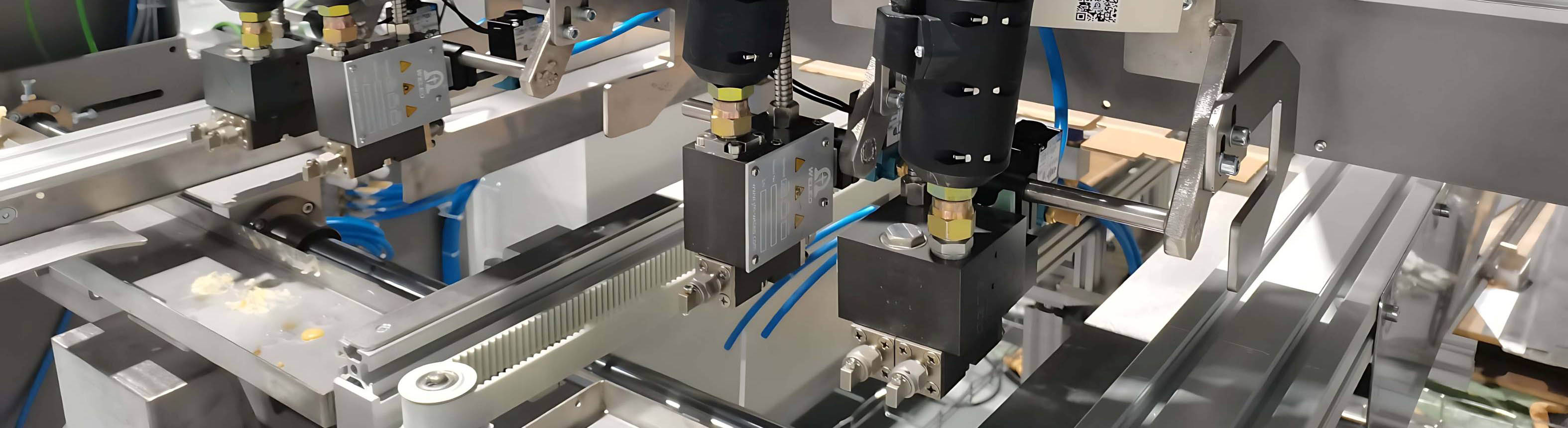
Using Lightweight Spray Guns for Efficient Manual Gluing
In industries where precision and mobility are equally important, lightweight spray guns have become a preferred tool for adhesive application. These manual or semi-automatic guns provide the perfect balance between ease of handling, precise control, and consistent performance. Commonly used in packaging, furniture assembly, automotive interiors, and textile manufacturing, lightweight spray guns ensure clean, uniform adhesive coating while reducing operator fatigue and production downtime.
This article explains how lightweight spray guns work, their design advantages, and how they enhance productivity in manual gluing operations.
Table of Contents
What Is a Lightweight Spray Gun
A lightweight spray gun is a compact, ergonomically designed adhesive applicator used to spray hot melt or cold glue. Unlike heavy industrial applicators, it features a simplified body made from aluminum alloy or high-strength composite materials, allowing extended manual use without strain.
| Component | Function |
|---|---|
| Heating Block | Maintains adhesive at stable temperature for smooth flow |
| Air Cap & Nozzle | Atomizes and directs adhesive spray |
| Trigger & Valve | Controls glue output and spray duration |
| Handle & Housing | Provides comfortable grip for manual operation |
| Connector Port | Links to heated Hoses or cold glue tanks |
These guns are designed for both precision detail work and medium-scale coating, giving operators the flexibility to handle various production needs efficiently.
How Lightweight Spray Guns Work
Adhesive Supply The adhesive—typically EVA, PUR, or PVA—is delivered through a hose connected to a melter or pressure tank. The material enters the gun under controlled pressure.
Heating and Atomization Inside the gun, the adhesive is heated to its optimal viscosity. When the operator presses the trigger, compressed air mixes with the adhesive flow, atomizing it into a fine spray.
Adjustable Spray Pattern Operators can adjust air pressure, nozzle angle, and spray width to create different patterns, from narrow lines to wide coatings.
Manual Precision Control The ergonomic trigger design allows smooth operation and precise output, ensuring accurate placement and minimal waste.
Advantages of Lightweight Spray Guns
1. Enhanced Operator Comfort
Made from lightweight materials, these guns reduce user fatigue during long shifts. Balanced design and soft-grip handles improve maneuverability, especially in manual or small-batch production environments.
2. Consistent Spray Quality
Advanced air and temperature control ensure stable adhesive atomization. The result is uniform coating thickness and clean application edges, critical for maintaining professional product finishes.
3. Fast Start-Up and Easy Operation
Lightweight spray guns heat up quickly and require minimal setup. Operators can begin work within minutes, improving productivity in both workshop and on-site applications.
4. Reduced Material Waste
Precise spray control minimizes overspray and ensures that only the required amount of adhesive is applied. This improves cost-efficiency and reduces cleaning effort.
5. Broad Adhesive Compatibility
These guns can handle various adhesive types—hot melt, water-based, or solvent-free formulations—making them suitable for multiple industries and substrates, including paper, plastic, fabric, and metal.
Industrial Applications
Lightweight spray guns are ideal for industries that require flexible and efficient manual gluing:
Packaging: For carton sealing, box forming, and label bonding where portability and speed matter.
Furniture Manufacturing: Applies hot melt adhesives for upholstery, foam lamination, and panel bonding.
Automotive Interiors: Sprays adhesives for carpets, insulation, and headliners with consistent coverage.
Textile Industry: Bonds layers of fabric or attaches decorative elements without damaging materials.
Construction & DIY Use: Offers fast, precise gluing for trim, moldings, and acoustic panels.
Their portability allows operators to reach confined spaces and complex shapes that automated systems may not handle easily.
Comparison: Lightweight vs. Conventional Spray Guns
| Feature | Lightweight Spray Gun | Conventional Spray Gun |
|---|---|---|
| Weight | 0.8–1.2 kg | 1.8–3.0 kg |
| Heating Time | <5 minutes | 10–15 minutes |
| Operation Type | Manual / semi-automatic | Stationary or robotic |
| Energy Efficiency | High | Moderate |
| Mobility | Excellent | Limited |
| Ideal Use | Manual coating, small areas | Continuous automated lines |
The lightweight version combines professional precision with mobility, making it ideal for on-demand gluing or small-scale production tasks.
Maintenance and Operation Tips
To ensure stable and long-lasting performance:
Always preheat the gun to the adhesive’s working temperature before operation.
Keep air pressure between 0.2–0.5 MPa for consistent atomization.
Clean nozzle openings regularly to avoid clogging or carbon buildup.
Avoid excessive bending of connected hoses to maintain smooth flow.
Store the gun in a clean, dry place after use to prevent adhesive residue from solidifying.
Routine maintenance ensures the gun operates smoothly and provides consistent spray patterns.
Why Lightweight Design Matters
Manual operators often perform repetitive adhesive spraying throughout the day. A lightweight design minimizes fatigue, improving precision and consistency across long shifts. Additionally, portability allows quick repositioning between production stations—saving time in batch assembly, packaging, or rework processes.
The combination of ergonomic design, energy efficiency, and precise control makes lightweight spray guns indispensable in industries that require both flexibility and professional results.
Conclusion
A lightweight spray gun is more than just a manual adhesive applicator—it is a precision tool that enhances operator comfort, productivity, and glue performance. Its efficient design and consistent spray quality make it a valuable asset for manufacturers seeking flexibility in both manual and semi-automated production.