





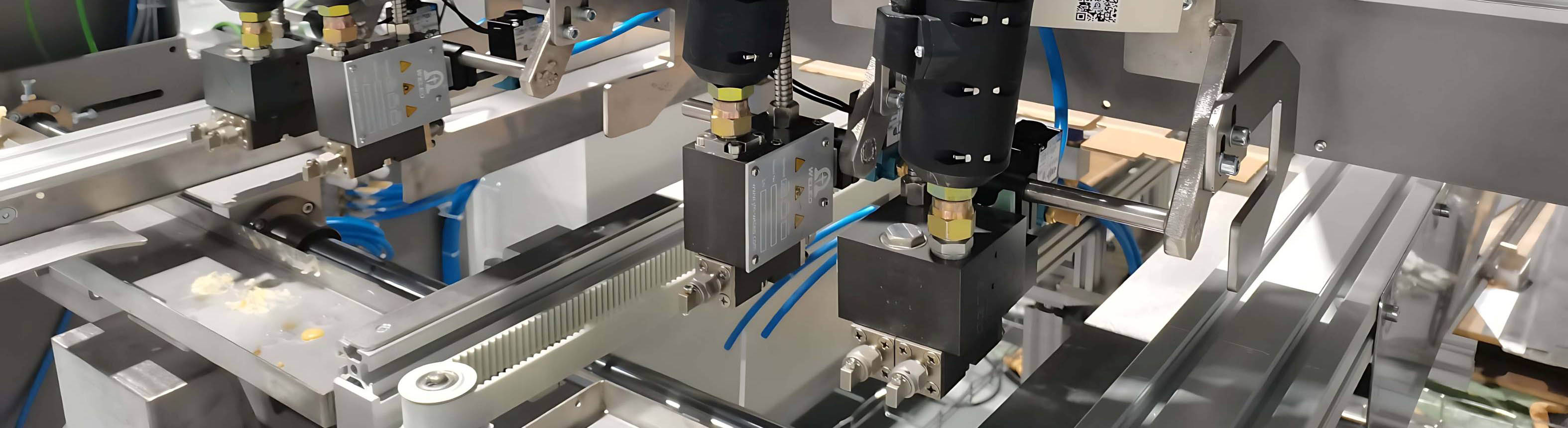
Heated Adhesive Hoses: Key to Stable Glue Delivery
In industrial adhesive systems, heated adhesive Hoses play a crucial role in maintaining consistent glue temperature and flow from the melter to the applicator. Whether used with gear pump systems, piston pumps, or coating guns, these hoses ensure that the adhesive stays at the proper viscosity throughout the entire delivery path. Stable glue delivery not only improves bonding quality but also extends equipment lifespan and reduces maintenance downtime.
This article explains how heated adhesive hoses work, their structure, benefits, and key considerations for industrial use.
Table of Contents
What Is a Heated Adhesive Hose
A heated adhesive hose is a temperature-controlled transfer line used to transport melted adhesive from the main melting unit to a dispensing gun or coating head. It is equipped with an internal heating element and insulation layers to keep the adhesive at a constant temperature—typically between 120°C and 200°C, depending on the adhesive type.
| Component | Function |
|---|---|
| Inner Core Tube | Carries the molten adhesive under pressure |
| Heating Element | Provides uniform heat along the hose length |
| Temperature Sensor | Monitors and regulates heating accuracy |
| Insulation Layer | Prevents heat loss and maintains stable temperature |
| Outer Protective Jacket | Protects against mechanical wear and high temperature |
These hoses are available in different lengths and diameters to suit various applications, from short connections on compact packaging machines to long runs on automated production lines.
How Heated Adhesive Hoses Work
Adhesive Flow from the Melter Once the adhesive is melted in a tank or melter, it is pumped through the heated hose. The adhesive enters the hose at a controlled pressure—usually between 30 and 80 bar—and temperature.
Continuous Temperature Regulation The built-in heating wire, powered by an electrical source, ensures that the adhesive temperature remains constant along the entire hose. Integrated thermocouples or RTD sensors send real-time feedback to the control unit.
Prevention of Heat Loss Multi-layer insulation reduces temperature fluctuations caused by ambient conditions. This ensures consistent viscosity, preventing premature solidification or over-heating of the adhesive.
Delivery to the Applicator The adhesive exits the hose at optimal temperature and pressure, ready for precise application through guns, slot coaters, or swirl spray heads.
Advantages of Heated Adhesive Hoses
1. Consistent Adhesive Temperature and Flow
By maintaining a stable temperature throughout the delivery process, heated hoses ensure that the adhesive’s viscosity and bonding performance remain uniform. This stability leads to smoother lines, cleaner edges, and more accurate glue placement.
2. Prevention of Clogging and Degradation
Without proper heating, hot melt adhesive can solidify or degrade within the hose, causing blockages or carbon buildup. Heated hoses prevent these issues, significantly reducing maintenance frequency.
3. Energy Efficiency
Modern hoses use precision-controlled heating circuits, delivering heat only where needed. This reduces overall power consumption compared to external heating systems.
4. Enhanced Safety and Durability
The outer insulation jacket prevents surface overheating, protecting operators from burns. Reinforced protective sheaths also resist mechanical stress and bending, extending service life even in demanding environments.
5. Compatibility with Automation Systems
Heated hoses can be integrated into PLC-controlled adhesive systems, allowing synchronized temperature control with pumps and applicators. This ensures consistent performance during high-speed or long-duration production.
Industrial Applications
Heated adhesive hoses are essential components in various industries where temperature-sensitive adhesives are used:
Packaging Lines: Delivers hot melt adhesive for carton sealing, tray forming, and labeling.
Nonwoven Fabric Production: Ensures smooth adhesive flow for hygiene products.
Woodworking and Furniture: Maintains stable glue temperature for lamination and edge banding.
Automotive Manufacturing: Transfers adhesive to spray heads for insulation and trim bonding.
Electronics Assembly: Provides precise hot melt delivery for component sealing and encapsulation.
The ability to maintain consistent adhesive properties across long distances makes heated hoses critical for automated production setups.
Technical Comparison: Heated vs. Unheated Hoses
| Feature | Heated Adhesive Hose | Unheated Hose |
|---|---|---|
| Temperature Control | Accurate, programmable | None |
| Adhesive Type | Hot melt (EVA, PUR, PO) | Cold or low-viscosity glue |
| Flow Stability | Excellent | Prone to fluctuation |
| Maintenance | Minimal | Requires frequent cleaning |
| Energy Use | Moderate | Low, but less efficient |
| Application | High-speed industrial lines | Manual or small-scale systems |
Heated hoses clearly outperform unheated types in terms of stability, reliability, and adhesive quality.
Maintenance and Safety Tips
To ensure long-term reliability and safety, operators should follow these guidelines:
Avoid Sharp Bending: Maintain a bending radius larger than the manufacturer’s minimum requirement.
Regular Inspection: Check connectors, heating wires, and insulation for wear or damage.
Clean Periodically: Use appropriate flushing agents to prevent adhesive residue buildup.
Temperature Calibration: Verify sensor accuracy to maintain proper heating balance.
Storage Conditions: Keep hoses in dry, dust-free environments when not in use.
Following these maintenance steps maximizes hose lifespan and ensures consistent adhesive output.
Benefits for Manufacturers
Improved product quality through consistent adhesive delivery.
Reduced downtime from clog-free operation.
Lower energy and maintenance costs with efficient heating control.
Enhanced automation and process stability in industrial environments.
Heated adhesive hoses serve as a critical link in the adhesive application chain, ensuring that every drop of glue is delivered at the right temperature and pressure.
Conclusion
A heated adhesive hose is not just a transfer line—it’s a precision-controlled component that ensures reliability, consistency, and efficiency in adhesive systems. By maintaining stable temperature and preventing material degradation, these hoses contribute directly to higher production quality and reduced operational costs.
For high-performance heated adhesive hoses and complete adhesive delivery systems, Weleo provides professional solutions designed to enhance temperature stability, energy efficiency, and long-term durability for global manufacturing industries.