





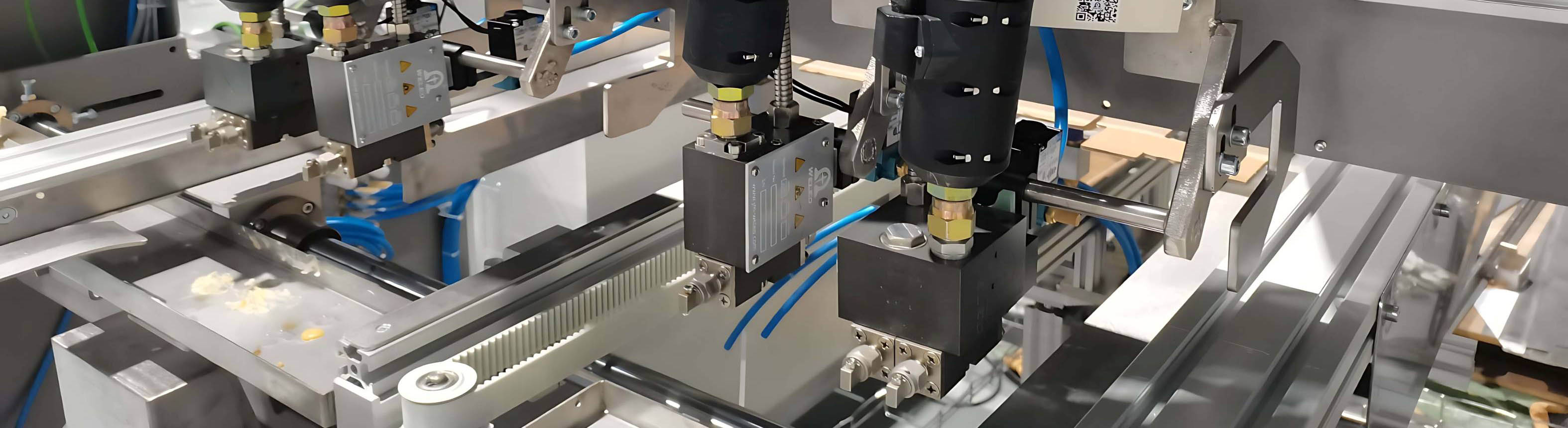
How Does Gear Pump Control Glue Flow
Stable adhesive flow is essential for maintaining consistent bonding quality in industrial production. When adhesive is applied continuously, even small changes in output pressure or flow rate can influence glue lines, bonding strength, and material consumption. A Gear Pump Adhesive System is designed to provide controlled adhesive transfer by using precise mechanical movement to regulate glue delivery.
Unlike systems that rely only on pressure changes, gear pumps create a more stable transfer process. The interaction between rotating gears and adhesive movement allows manufacturers to maintain predictable output, which is especially valuable in applications requiring continuous and accurate dispensing.
Table of Contents
- Understanding The Role Of A Gear Pump In Adhesive Systems
- Why Is Glue Flow Control Important?
- What Factors Influence Gear Pump Performance?
- How Does A Gear Pump Improve Production Efficiency?
- Where Are Gear Pump Adhesive Systems Commonly Used?
- How Can Manufacturers Maintain Stable Gear Pump Operation?
Understanding The Role Of A Gear Pump In Adhesive Systems
A gear pump transfers adhesive from the melting unit to the application point through controlled mechanical movement. Inside the pump, rotating gears create chambers that move adhesive at a consistent rate.
The basic operation can be understood through three stages:
Adhesive Intake
The rotating gears create space that draws melted adhesive into the pump chamber.
Controlled Transfer
The adhesive moves between the gear teeth and pump housing, maintaining a steady flow path.
Continuous Output
The adhesive is pushed toward hoses and dispensing components with stable pressure.
This working method allows the system to provide reliable adhesive delivery during long production cycles.
Why Is Glue Flow Control Important?
Glue flow directly affects the quality of the final product. When adhesive output changes unexpectedly, production may experience uneven glue lines, insufficient bonding areas, or excessive material usage.
Stable flow control helps maintain:
Consistent adhesive volume
Uniform application patterns
Reduced material waste
More predictable bonding performance
For automated production environments, maintaining steady adhesive movement is especially important because machines often operate at high speed with limited opportunities for manual adjustment.
What Factors Influence Gear Pump Performance?
Although gear pumps are designed for stable operation, several factors can influence their performance. The adhesive type, temperature condition, pump speed, and production requirements all need to be considered.
| Influencing Factor | Impact On Glue Flow |
|---|---|
| Adhesive Viscosity | Affects transfer resistance |
| Temperature Stability | Changes adhesive flow characteristics |
| Pump Speed | Determines output volume |
| System Configuration | Influences overall pressure balance |
Proper matching between the pump and adhesive material helps maintain reliable performance.
How Does A Gear Pump Improve Production Efficiency?
In continuous manufacturing, unstable adhesive supply can create production interruptions. A gear pump helps reduce these issues by maintaining more consistent glue delivery.
When adhesive flow remains stable, operators spend less time adjusting equipment and correcting application problems. This allows production lines to operate more smoothly and improves overall process efficiency.
A gear pump system supplier can help evaluate pump requirements according to adhesive characteristics, output demands, and application methods.
Where Are Gear Pump Adhesive Systems Commonly Used?
Gear pump technology is widely used in applications requiring controlled adhesive delivery. Packaging production, assembly processes, nonwoven manufacturing, and industrial bonding lines often require stable glue flow to maintain product quality.
Different applications may require different pump capacities and configurations. The correct selection depends on adhesive consumption, production speed, and dispensing accuracy requirements.
How Can Manufacturers Maintain Stable Gear Pump Operation?
Regular equipment checks and proper operating conditions help maintain long-term pump performance. Adhesive temperature should remain within the recommended range, and components should be inspected to prevent performance changes caused by wear or contamination.
A reliable adhesive flow system depends on the cooperation between pump design, adhesive properties, and production conditions. When these factors are properly matched, manufacturers can achieve more consistent dispensing results and smoother production operations.