





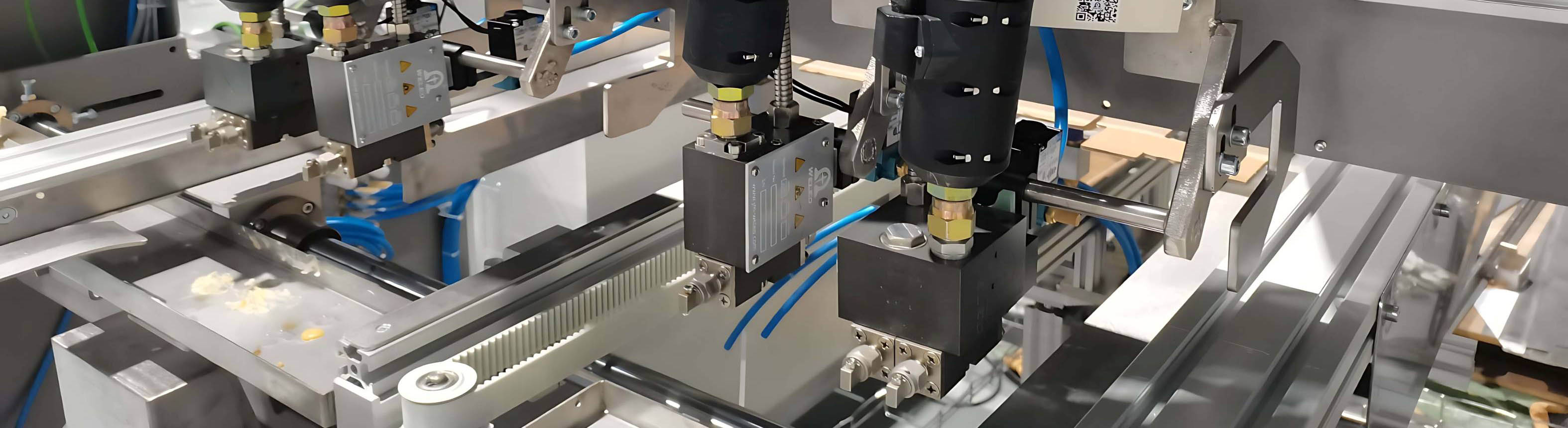
How Does Glue Automation Reduce Labor Cost
Labor cost is one of the important factors affecting manufacturing efficiency, especially in industries where adhesive application requires repetitive operations. As production volume increases, relying on manual gluing can create challenges such as inconsistent application, additional inspection work, and higher dependence on skilled operators. Glue automation provides a different approach by allowing adhesive processes to run with greater control and less manual involvement.
A Glue Automation System does not simply replace workers with machines. Its main purpose is to optimize the way adhesive is supplied, controlled, and applied. By reducing repetitive tasks and improving process consistency, automation allows production teams to focus on higher-value activities while maintaining stable manufacturing performance.
Table of Contents
Why Does Manual Gluing Increase Labor Requirements?
Manual adhesive application often requires operators to repeatedly perform the same actions throughout the production process. Workers need to control glue amount, check application position, and make adjustments according to product conditions.
When production volume is low, these tasks may be manageable. However, in continuous manufacturing environments, repeated manual operations require more workers and increase management difficulty.
The labor demand usually increases because of three reasons:
Continuous operation requires more operators
Product quality needs additional inspection
Process adjustments depend on worker experience
Automation reduces these limitations by transferring repeated adhesive tasks into a controlled system.
How Does Glue Automation Change The Production Workflow?
The biggest difference between manual and automated gluing is the way decisions are made during production.
A manual process depends on operator judgment, while an automated system follows predefined parameters. The equipment can control adhesive temperature, pressure, dispensing timing, and glue volume according to production requirements.
This creates a more predictable workflow:
Production requirement → System parameter setting → Automatic adhesive delivery → Consistent bonding result
Because the process becomes standardized, fewer manual adjustments are needed during daily operation.
Can Automation Reduce The Number Of Operators Needed?
In many production environments, automation reduces the amount of labor required for repetitive adhesive tasks. One operator may be able to manage equipment that previously required several people for manual application.
The actual labor reduction depends on production scale, product structure, and automation level. Some factories may use automation to reduce direct labor, while others may use it to allow workers to handle more production responsibilities.
The value of automation is not only fewer workers but also better utilization of existing labor resources.
How Does Automation Improve Worker Efficiency?
When employees spend less time performing repetitive gluing tasks, they can focus on equipment monitoring, quality control, material preparation, and production improvement.
This creates a different labor structure where workers support the manufacturing process instead of manually controlling every adhesive action.
| Traditional Process | Automated Process |
|---|---|
| Manual glue application | Program-controlled dispensing |
| Operator-dependent results | Standardized application parameters |
| Frequent adjustments | Stable continuous operation |
| More repetitive labor | More efficient workforce allocation |
What Role Does Equipment Selection Play?
Labor-saving results depend on whether the automation system matches the production environment. A system that is too simple may still require frequent manual intervention, while an overly complex system may increase unnecessary management difficulty.
Manufacturers should evaluate production speed, adhesive type, application method, and machine connection requirements before automation.
An experienced industrial automation supplier can help design an adhesive solution that balances automation level and actual production needs.
Is Glue Automation Only About Reducing Labor?
Reducing labor cost is one benefit, but the larger goal is improving the overall manufacturing process. Automation also helps reduce adhesive waste, improve product consistency, and create more stable production planning.
A well-designed glue automation process allows manufacturers to achieve better efficiency while maintaining reliable bonding quality. The most effective automation solution is one that improves the entire production workflow rather than focusing only on reducing operator numbers.