





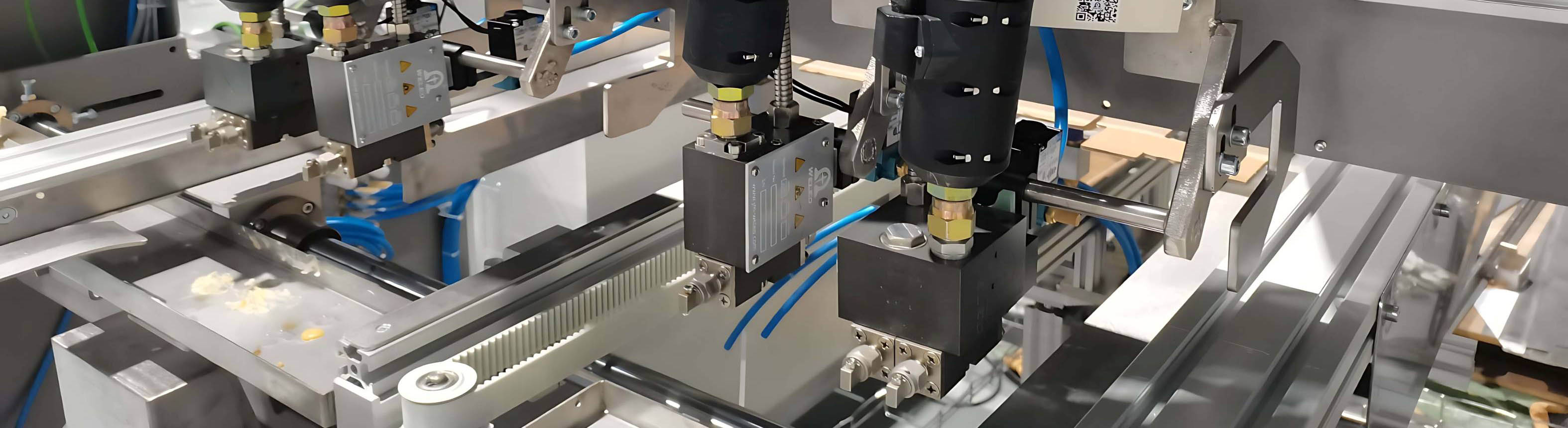
How Much Does Hot Melt Equipment Cost
The cost of Hot Melt Equipment depends on many factors, and there is no single standard price that applies to every manufacturing application. Different production requirements require different system configurations, from basic adhesive dispensing solutions to fully automated systems integrated with production lines.
Understanding hot melt equipment price factors helps manufacturers evaluate investment value more accurately. The initial equipment cost is only one part of the decision. Operating efficiency, maintenance requirements, adhesive consumption, and production stability also influence the overall cost during long-term use.
Table of Contents
- What Determines The Price Of Hot Melt Equipment?
- Does Production Capacity Affect Equipment Investment?
- How Do Custom Requirements Change Equipment Cost?
- Are Cheaper Machines Always More Cost-Effective?
- How Do Operating Costs Affect Total Investment?
- What Questions Should Be Asked Before Getting A Quote?
What Determines The Price Of Hot Melt Equipment?
The main factor affecting equipment cost is the system configuration. A simple unit designed for basic adhesive application requires fewer components, while a complete industrial system may include advanced temperature control, multiple dispensing channels, larger melting capacity, and automation functions.
The final price is usually influenced by:
Equipment capacity
Pump type and performance
Number of dispensing points
Control system requirements
Application method
Different production goals create different equipment requirements, which is why pricing must be evaluated according to actual application conditions.
Does Production Capacity Affect Equipment Investment?
Production volume has a direct relationship with equipment configuration. A factory running continuous production usually requires higher melting capacity and more stable adhesive delivery compared with a small-scale operation.
Higher-capacity systems may require stronger heating components, larger tanks, and more advanced control functions. Although the initial investment may increase, the equipment can provide better support for high-output manufacturing.
| Application Requirement | Equipment Consideration | Cost Influence |
|---|---|---|
| Low Adhesive Consumption | Basic melting and dispensing setup | Lower investment |
| Medium Production Volume | Improved control and capacity | Moderate investment |
| Continuous Industrial Production | High stability configuration | Higher investment |
How Do Custom Requirements Change Equipment Cost?
Many manufacturers need equipment adjustments because production lines are not identical. Custom requirements may include special hose lengths, unique installation structures, multiple application heads, or connection with existing machines.
Customization affects equipment design and manufacturing processes. However, it can also improve production efficiency by ensuring that the system fits the actual workflow.
A suitable hot melt equipment manufacturer can help determine which functions are necessary and which features may not provide practical value.
Are Cheaper Machines Always More Cost-Effective?
The lowest purchase price does not always represent the lowest overall cost. Equipment that cannot maintain stable performance may create additional expenses through adhesive waste, production delays, and frequent maintenance.
A reliable system should provide:
Stable adhesive output
Consistent temperature control
Easy maintenance access
Suitable spare parts support
Long-term operating performance is often more important than the initial purchase amount.
How Do Operating Costs Affect Total Investment?
Besides equipment price, manufacturers should also consider daily operating expenses. Energy consumption, adhesive usage efficiency, maintenance frequency, and replacement component costs all influence the total ownership cost.
For example, accurate dispensing control can reduce unnecessary adhesive consumption. Stable heating performance can also reduce problems caused by poor melting conditions.
What Questions Should Be Asked Before Getting A Quote?
Before requesting pricing information, manufacturers should prepare details about their production requirements. Clear information allows suppliers to provide a more accurate equipment recommendation.
Important details include adhesive type, production speed, required glue output, application method, and automation requirements. These factors help determine the appropriate system structure and avoid unnecessary configuration costs.
The value of hot melt equipment should be measured by how well it supports production goals. A properly selected system can provide stable adhesive performance, reduce operational problems, and create better long-term efficiency rather than simply offering a lower purchase price.