





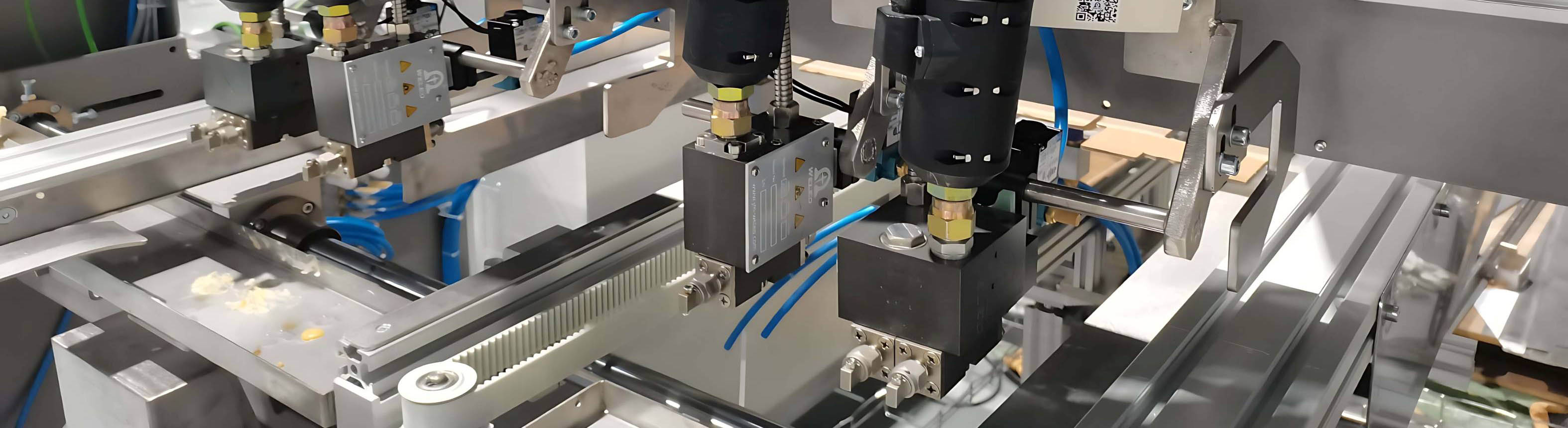
What Should Buyers Check Before Ordering Glue Equipment?
Ordering Hot Melt Equipment requires careful evaluation because adhesive systems directly affect production quality, operating efficiency, and maintenance costs. Before purchasing, manufacturers need to understand not only the machine specifications but also how the equipment will perform in real working conditions.
A proper hot melt equipment purchasing checklist should include technical requirements, application conditions, system compatibility, and long-term service considerations. Making these checks before ordering helps prevent installation problems and ensures the equipment matches production expectations.
Table of Contents
Is The Equipment Suitable For The Production Application?
The first question before ordering should be whether the equipment matches the intended application. Hot melt systems used for packaging may require different configurations compared with systems used for automotive parts, furniture components, or nonwoven products.
The application method determines many equipment requirements, including nozzle type, adhesive output, temperature range, and control method.
For example, a production line requiring continuous glue application may need a larger melting capacity and more stable pressure control than a small assembly process.
What Technical Specifications Need Attention?
Equipment specifications provide important information, but they should be reviewed according to actual production conditions. A higher capacity machine is not always the best choice if it does not match adhesive consumption or working speed.
| Technical Item | Questions To Consider |
|---|---|
| Melting Capacity | Can it support required adhesive consumption? |
| Temperature Control | Can it maintain stable adhesive conditions? |
| Pump Performance | Is glue pressure consistent during operation? |
| Dispensing Method | Does it match the required glue pattern? |
| System Compatibility | Can it connect with existing machines? |
These details help determine whether the equipment can operate efficiently after installation.
How Should Adhesive Compatibility Be Verified?
Adhesive compatibility is often overlooked during equipment purchasing. Different hot melt adhesives may have different melting points, viscosity levels, and flow characteristics.
The selected equipment should be tested with the intended adhesive material whenever possible. This helps confirm that the heating system, pump, hose, and nozzle can provide stable application results.
A suitable hot melt machine supplier should understand how equipment performance interacts with adhesive properties instead of focusing only on hardware specifications.
Why Is After-Sales Support Important?
Glue equipment is usually part of a continuous production process. Any unexpected failure can affect manufacturing schedules, making technical support and spare parts availability important considerations.
Before ordering, manufacturers should understand maintenance support, troubleshooting methods, and component replacement procedures. Reliable support helps reduce downtime and keeps production running smoothly.
What Installation Details Should Be Confirmed?
Installation conditions can influence equipment performance. Space availability, power requirements, machine connection methods, and operator experience should all be considered before delivery.
A clear installation plan helps avoid delays after the equipment arrives. It also allows operators to become familiar with the system faster.
What Common Purchasing Mistakes Should Be Avoided?
Many equipment issues come from focusing only on initial cost. A lower purchase price may result in higher operating expenses if the system consumes more adhesive, requires frequent maintenance, or cannot support production growth.
The purchasing decision should consider overall performance, reliability, and future requirements. A practical evaluation process helps manufacturers choose equipment that delivers stable results rather than simply meeting short-term needs.
Checking these important factors before ordering glue equipment allows manufacturers to make better decisions. Proper evaluation reduces unnecessary adjustments after installation and creates a stronger foundation for efficient adhesive application.